10. Institutional Veto Players

Comparative Politics

Giacomo Lemoli

Motivation

We have been classifying democracies based on how they distribute power

  • Type of government \(\rightarrow\) Parliamentary vs. Presidential
  • Electoral system \(\rightarrow\) Majoritarian vs. Proportional
  • Party system \(\rightarrow\) Two-party vs. Multiparty

Today, we focus on constraints on executive power

  • Veto players \(\Leftrightarrow\) Checks and balances

Our Plan for Today

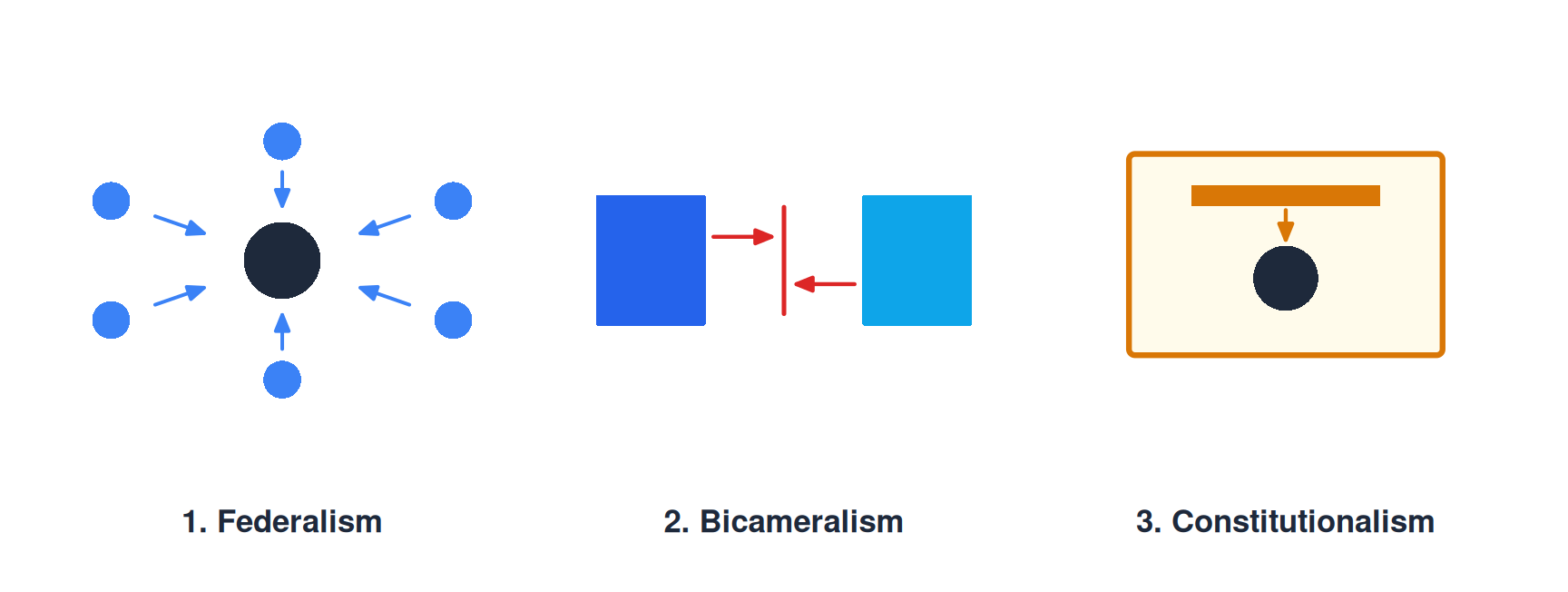
Veto players \(\rightarrow\) actors whose agreement is necessary to change the status quo

  • Federalism \(\rightarrow\) power division between national and sub-national units
  • Bicameralism \(\rightarrow\) two legislative chambers
  • Constitutionalism \(\rightarrow\) overarching rules and principles in the constitution (we won’t cover it, see textbook)

Veto Player Theory

Veto Player Theory

Institutional veto players \(\rightarrow\) generated by a country’s constitution

  • E.g., USA \(\rightarrow\) the president, House, and Senate can block changes to the status quo
  • They are stable over time

Partisan veto players \(\rightarrow\) generated by political competition

  • E.g., minority parties in govt coalition \(\rightarrow\) can block legislation
  • Change over elections

According to VPT, federalism, bicameralism, and constitutionalism can be seen as part of the same system of veto players/checks and balances

  • They all serve to check and constrain executive decisions

Federalism

Federalism in Structure

A country is federal if it satisfies three criteria:

  • Geopolitical division \(\rightarrow\) mutually exclusive regional governments that are recognized in the constitution and cannot be unilaterally abolished by the government

  • Independence \(\rightarrow\) regional and national governments must have independent bases of authority (i.e., independent elections)

  • Direct governance \(\rightarrow\) levels of government have independent authority over different policy areas, as written in the constitution

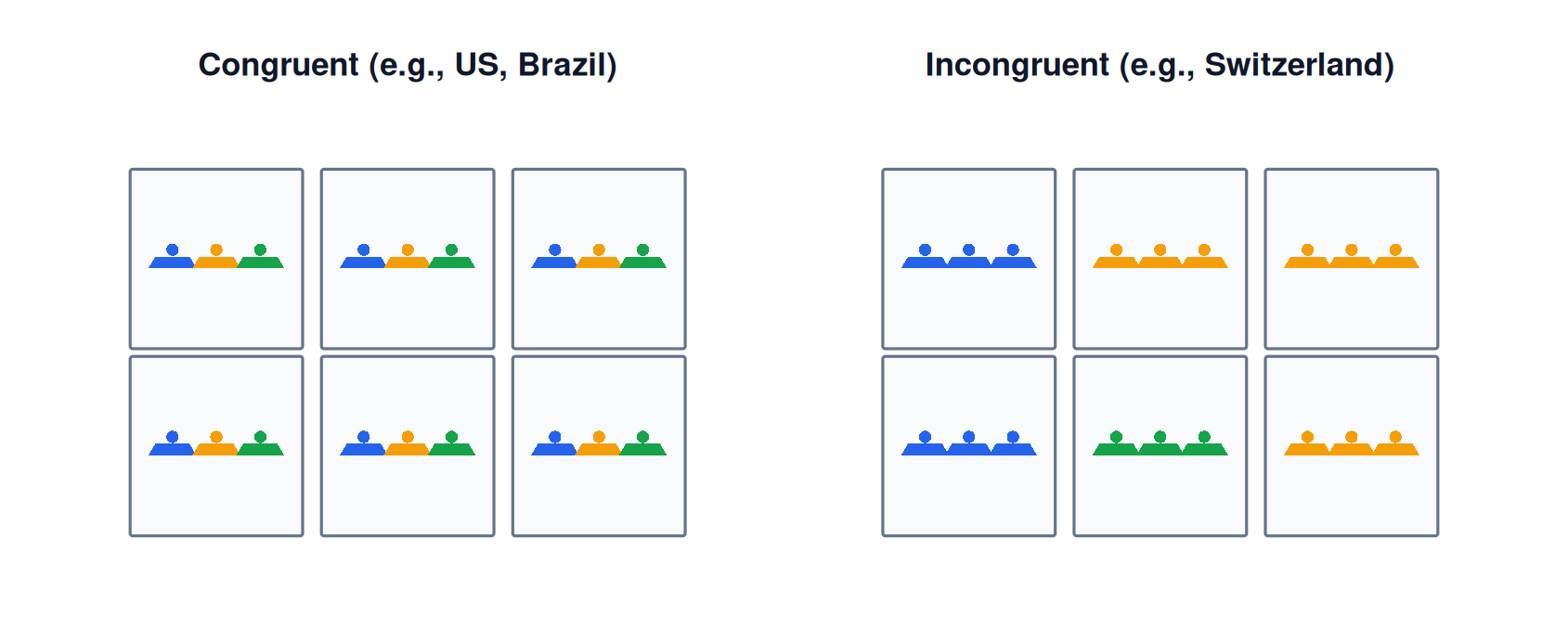
Congruent vs. Incongruent Federalism

  • Congruent federalism \(\rightarrow\) units have similar demographic characteristics
    • E.g., USA, Brazil, Germany
  • Incongruent federalism \(\rightarrow\) different groups are geographically concentrated
    • E.g., Swiss cantons, Belgian regions, Nigerian states

Symmetric vs. Asymmetric Federalism
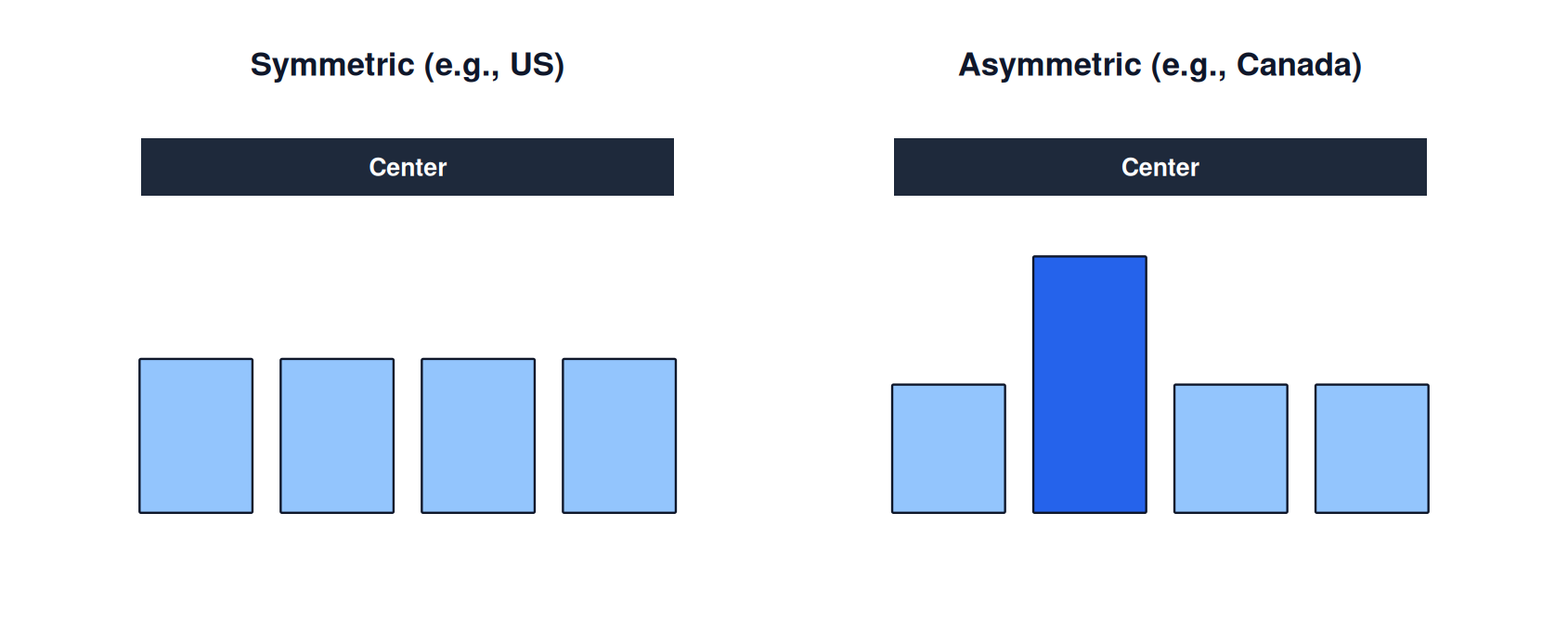
  • Symmetric federalism \(\rightarrow\) units have equal powers relative to the central govt
  • Asymmetric federalism \(\rightarrow\) some units have more extensive powers than others

Federalism in Practice: (De)Centralization
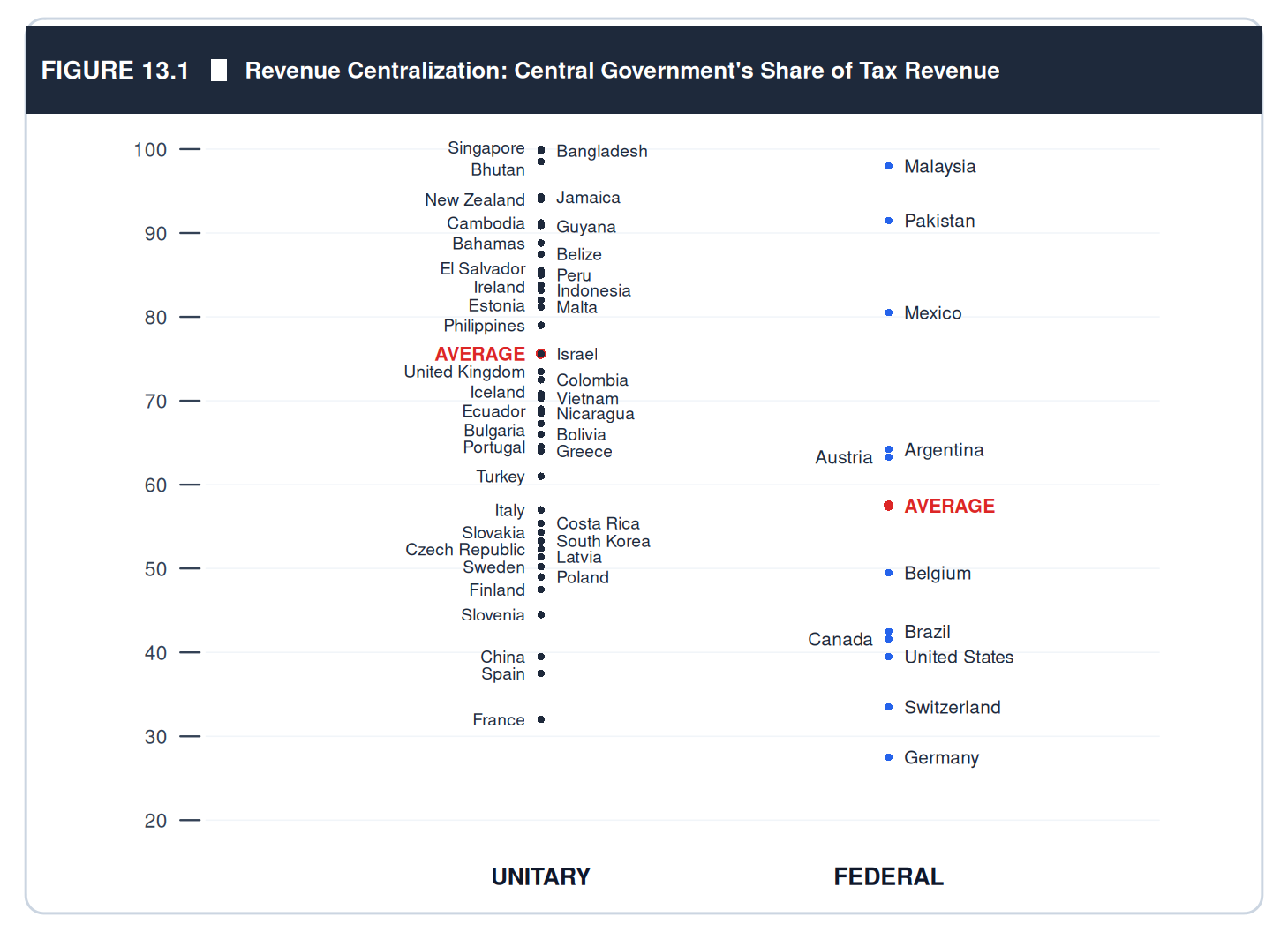
  • A federal vs. unitary state is a formal difference
  • In practice, powers can be very unbalanced in a federal state
  • E.g., units can have formal authority but little capacity to raise taxes
  • Having fiscal resources is crucial for units to actually govern
  • Revenue centralization indicates how much power is effectively distributed

Centralization = % Total taxes collected by the central government

Federalism in Practice: (De)Centralization

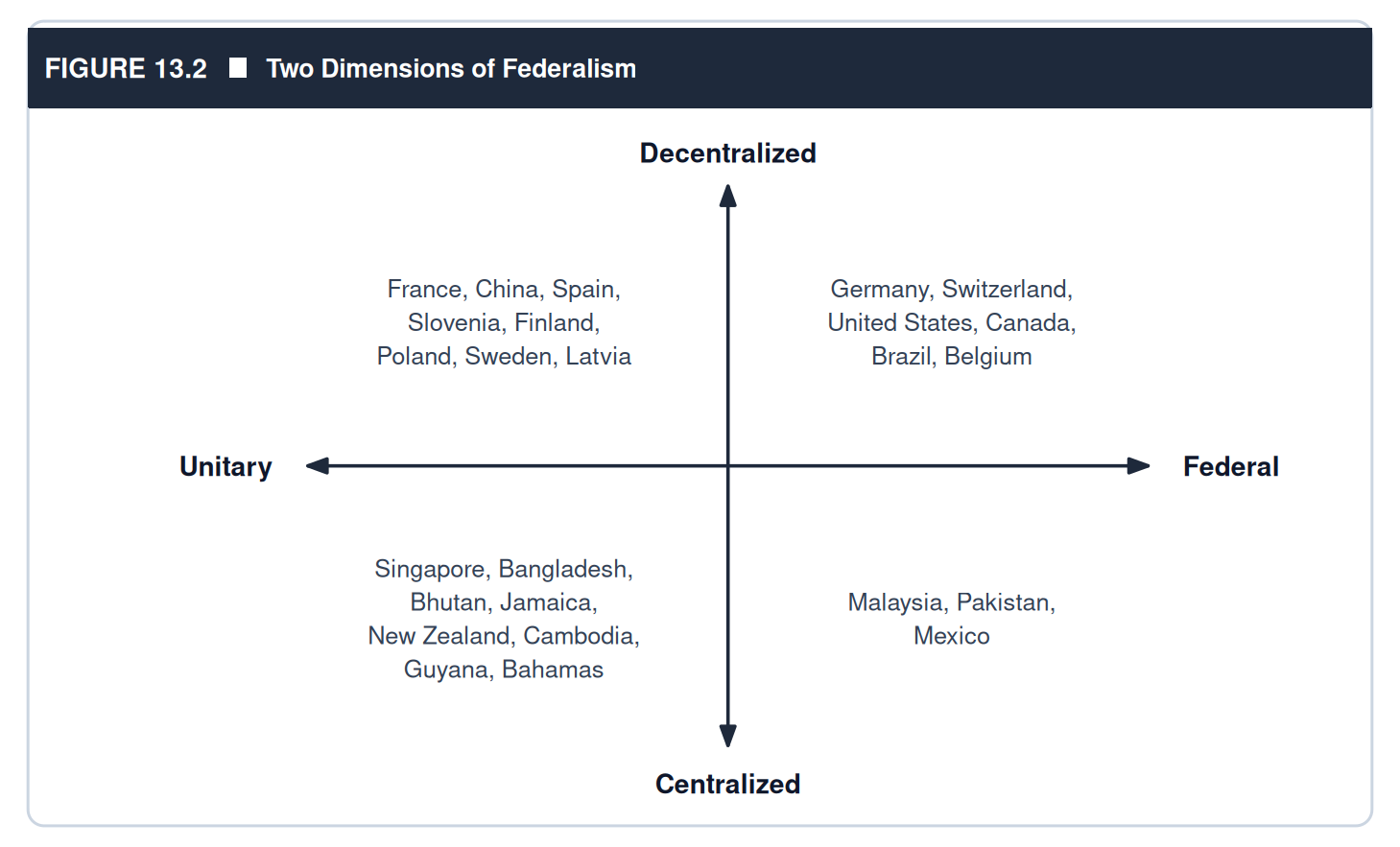
Two Dimensions of Federalism

We can divide countries based on federalism in structure and in practice
Why Federalism?

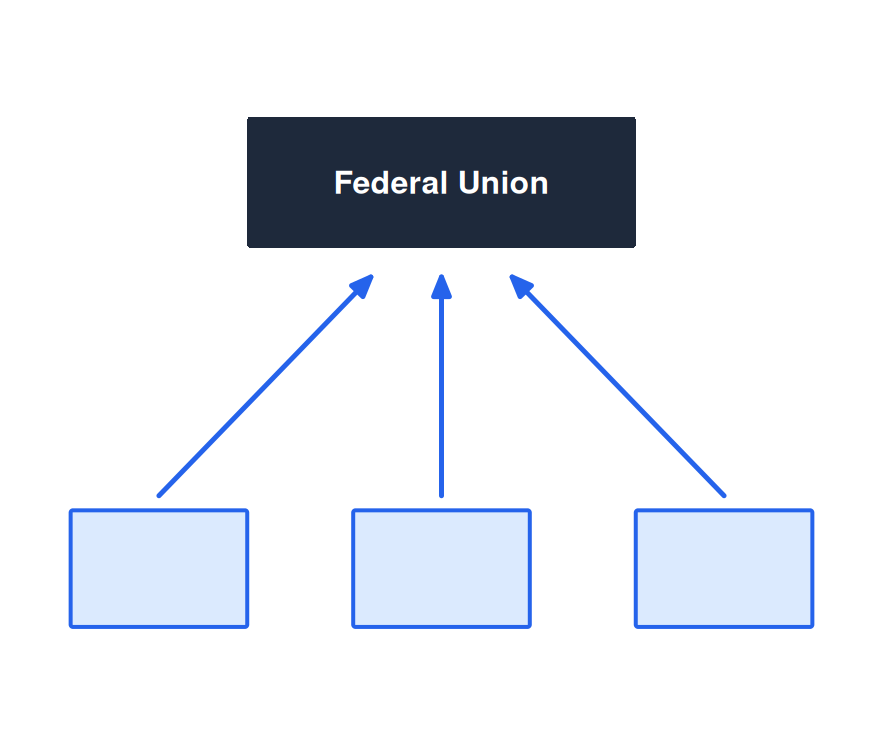
Coming-together explanation \(\rightarrow\) “bottom-up”

  • Sovereign polities voluntarily agree to pool resources
  • Achieve collective goals: collective security, a common currency, a trade area
  • E.g., Australia, Switzerland, United States
Why Federalism?

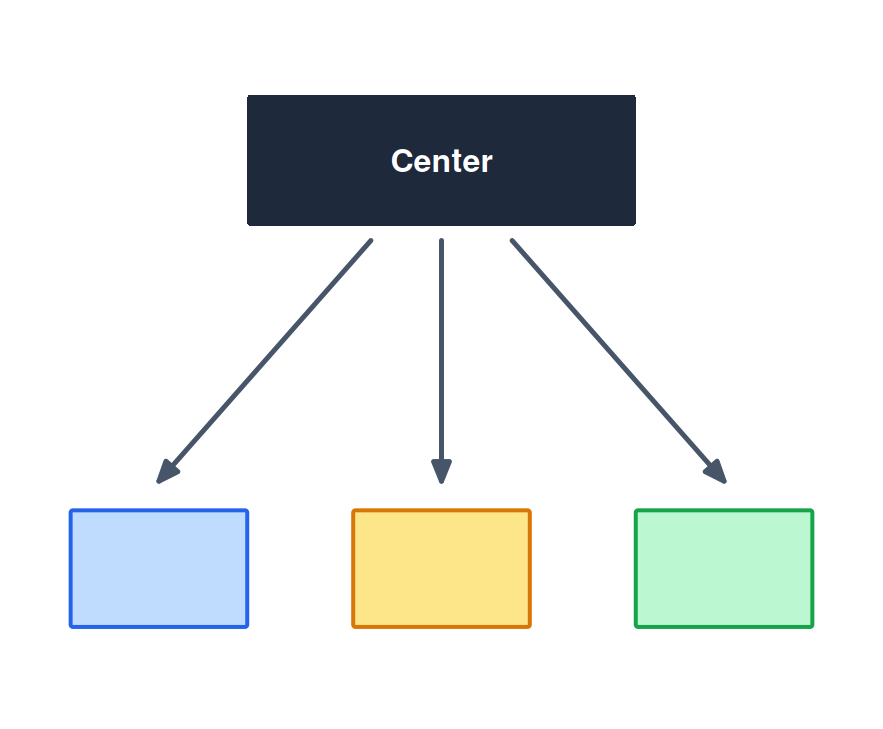
Holding-together explanation \(\rightarrow\) “top-down”

  • Central government decentralizes power to subnational governments
  • Appease local communities (regions, ethnicities) that threaten secession
  • E.g., Belgium, India, Spain, United Kingdom
  • Tends to produce both incongruent and asymmetric federalism
Federalism: Potential Advantages
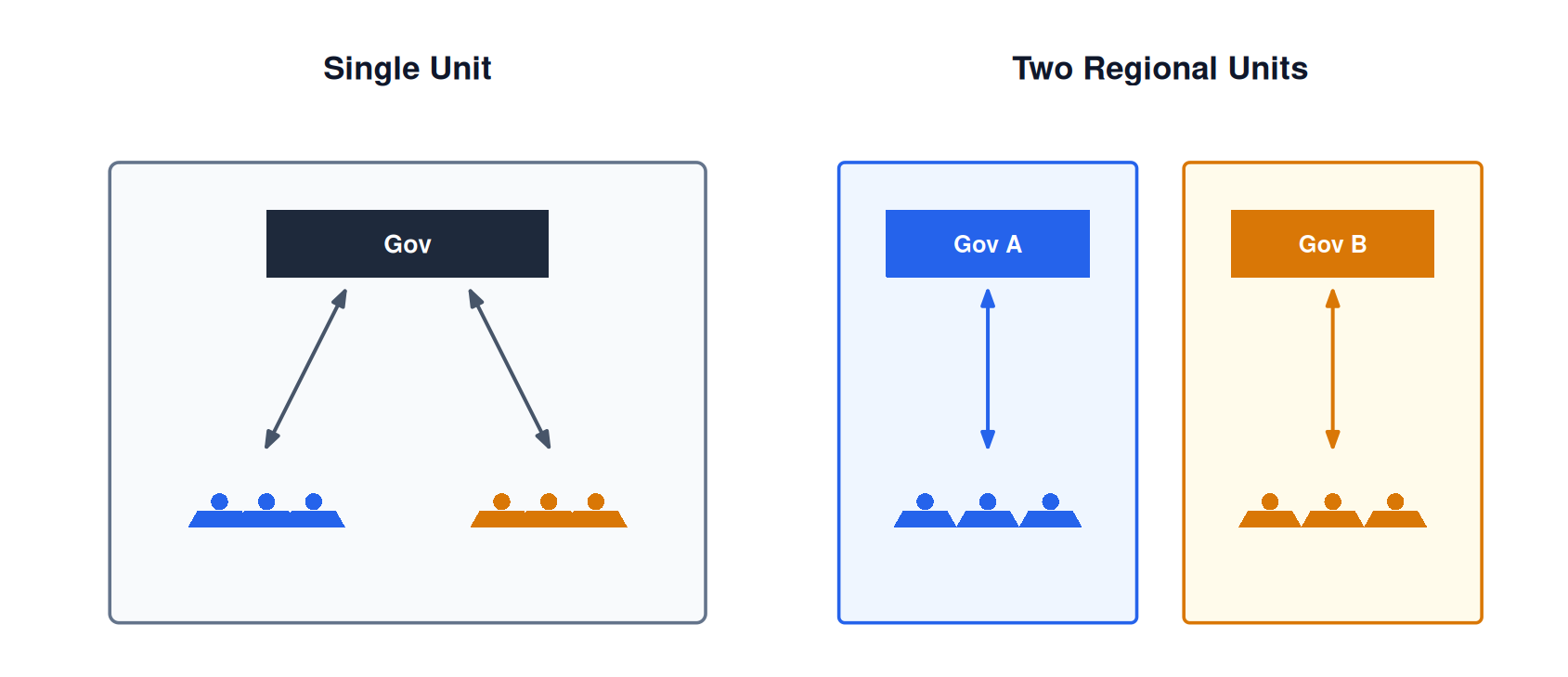
  • Local governments better accommodate heterogeneous communities
  • Government closer to the people \(\rightarrow\) accountability

Federalism: Potential Advantages
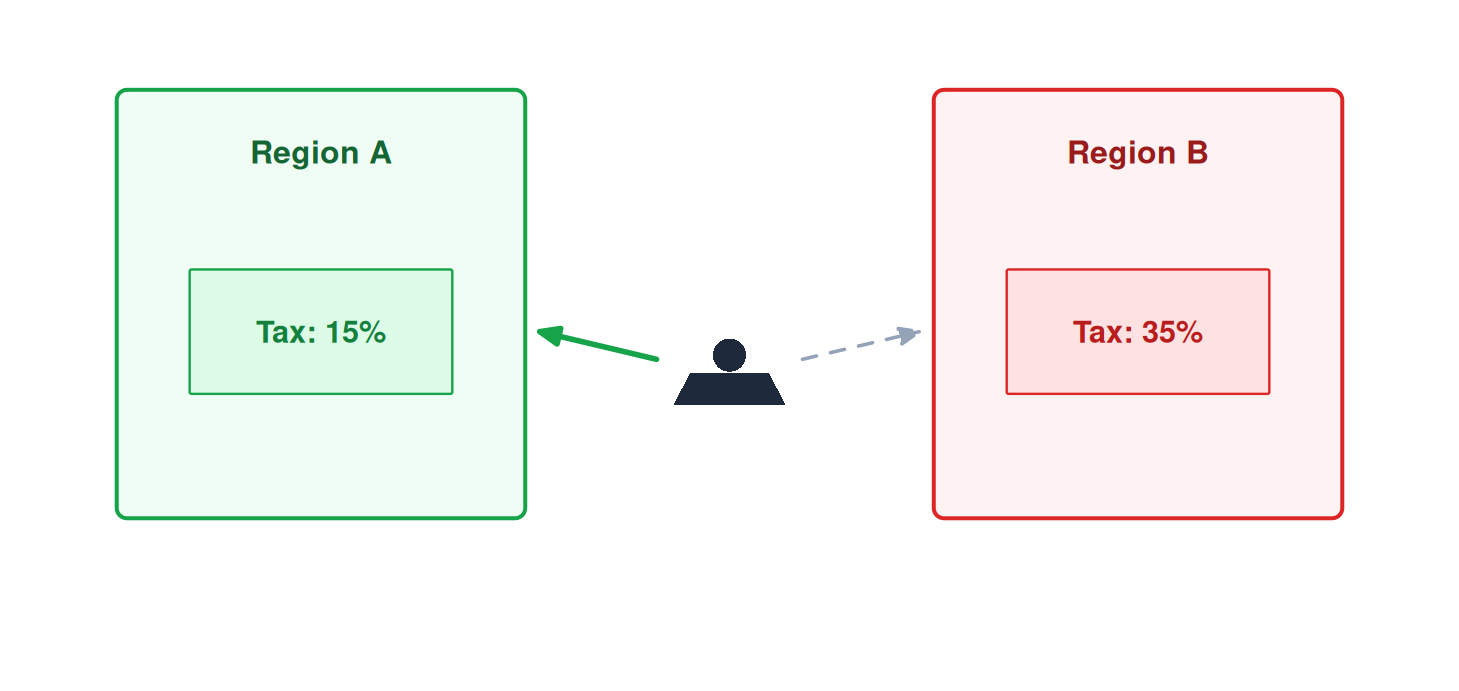
  • Competition between units to attract people and investments
  • Growth- and welfare-enhancing policies

Federalism: Potential Advantages
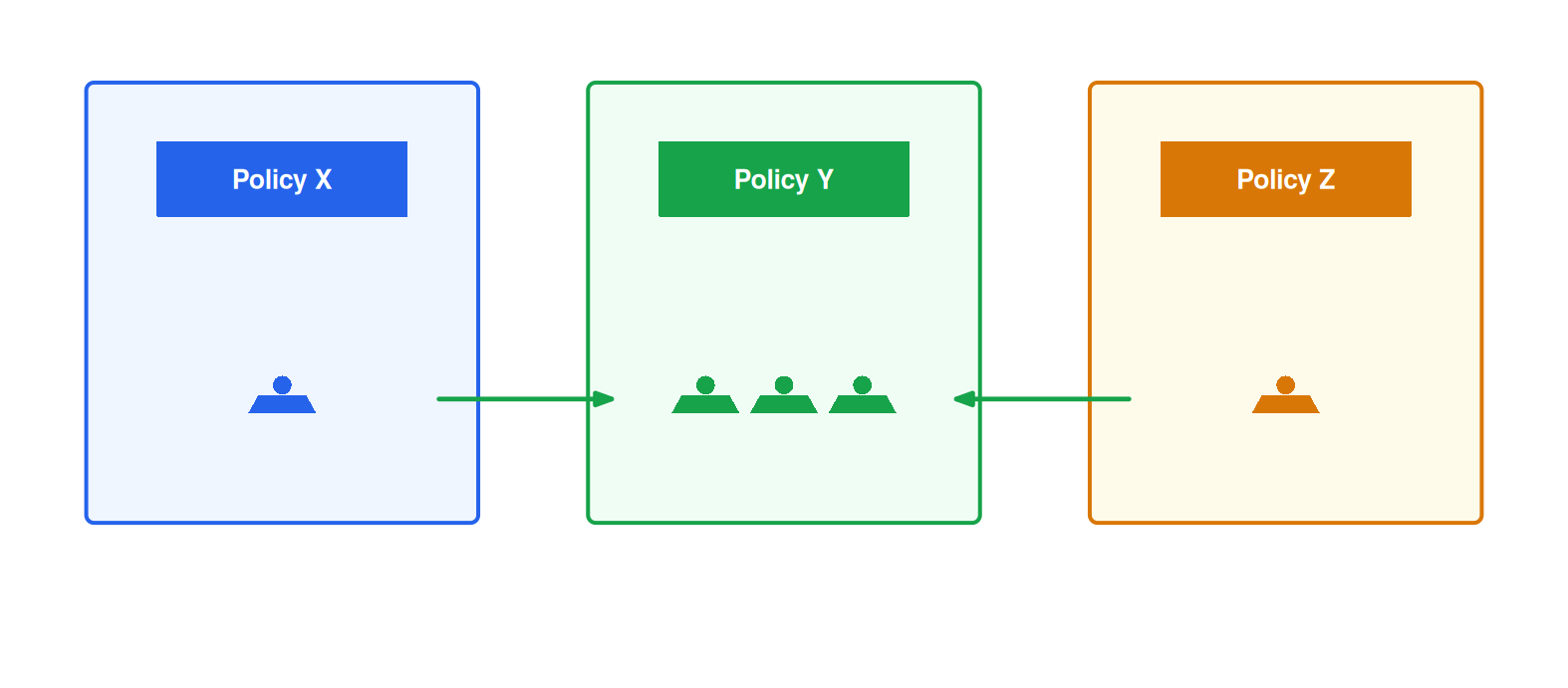
  • Units’ independence \(\rightarrow\) policy experimentation and innovation
  • Units check on each other \(\rightarrow\) prevent tyranny

Federalism: Criticisms
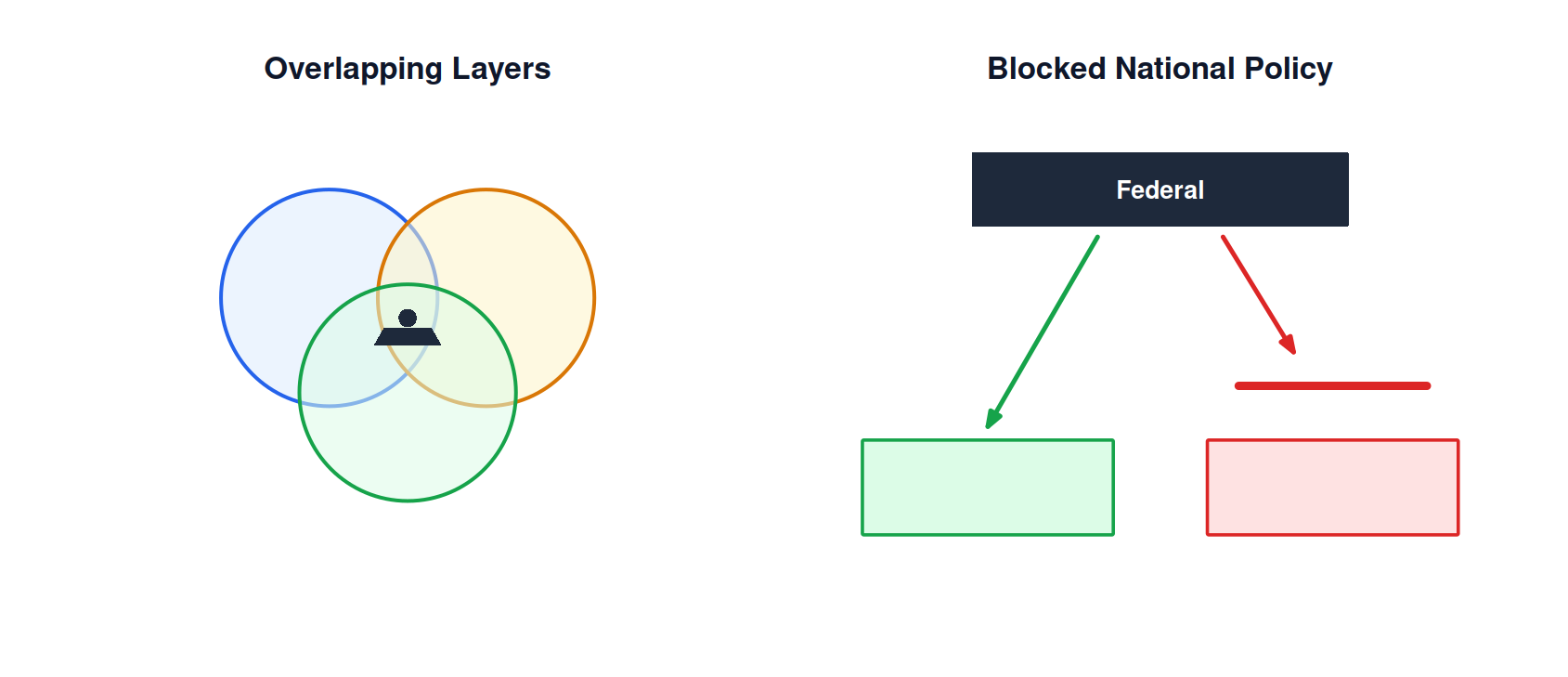
  • Multiple government layers \(\rightarrow\) inefficiencies, potentially decreasing accountability
  • Collective action problems for national public goods

Federalism: Criticisms
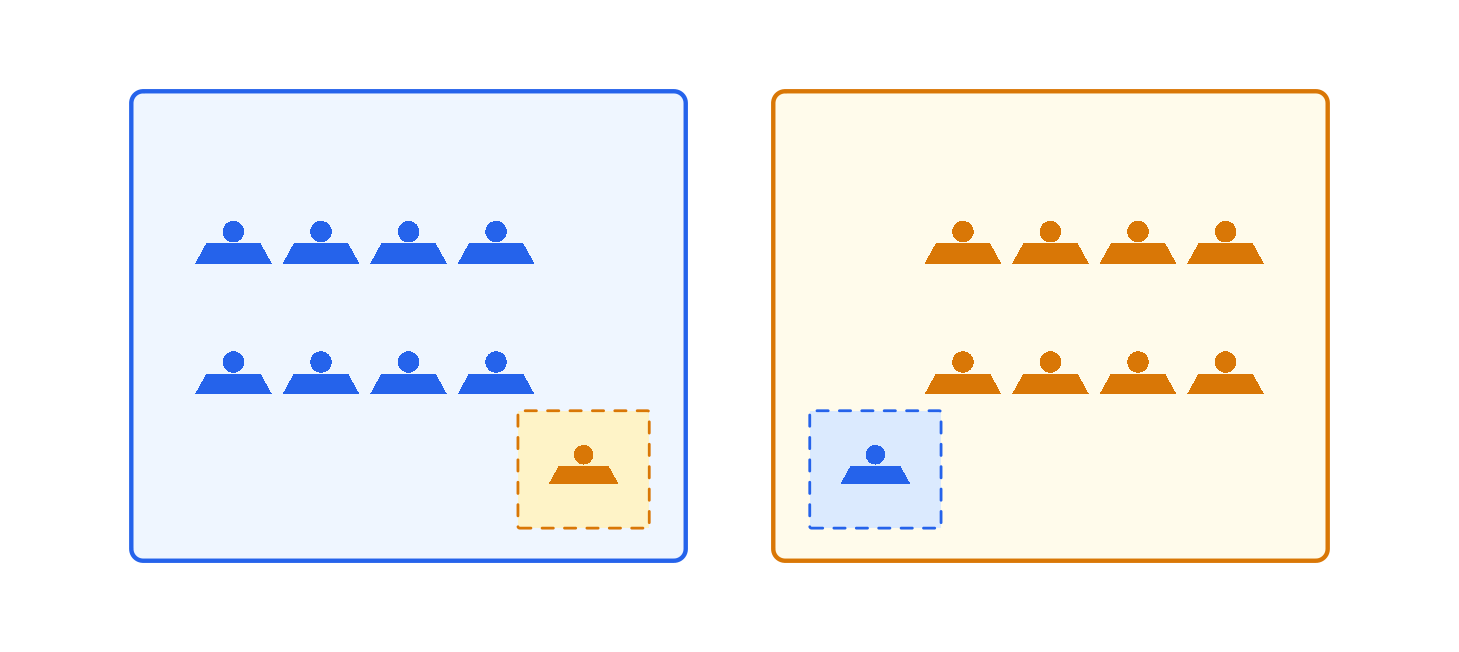
  • Rather than reducing intergroup conflict, it can perpetuate it
  • Formalize local “homelands” where minorities can be discriminated against

Bicameralism

What Is Bicameralism?

Number of legislative assemblies in a country

  • Unicameral legislature \(\rightarrow\) single assembly
  • Bicameral legislature \(\rightarrow\) two distinct assemblies

Why does this matter?

  • In bicameral systems, assemblies can typically veto each other
  • This generates strategic incentives for legislators

Strategic Possibilities in Bicameralism
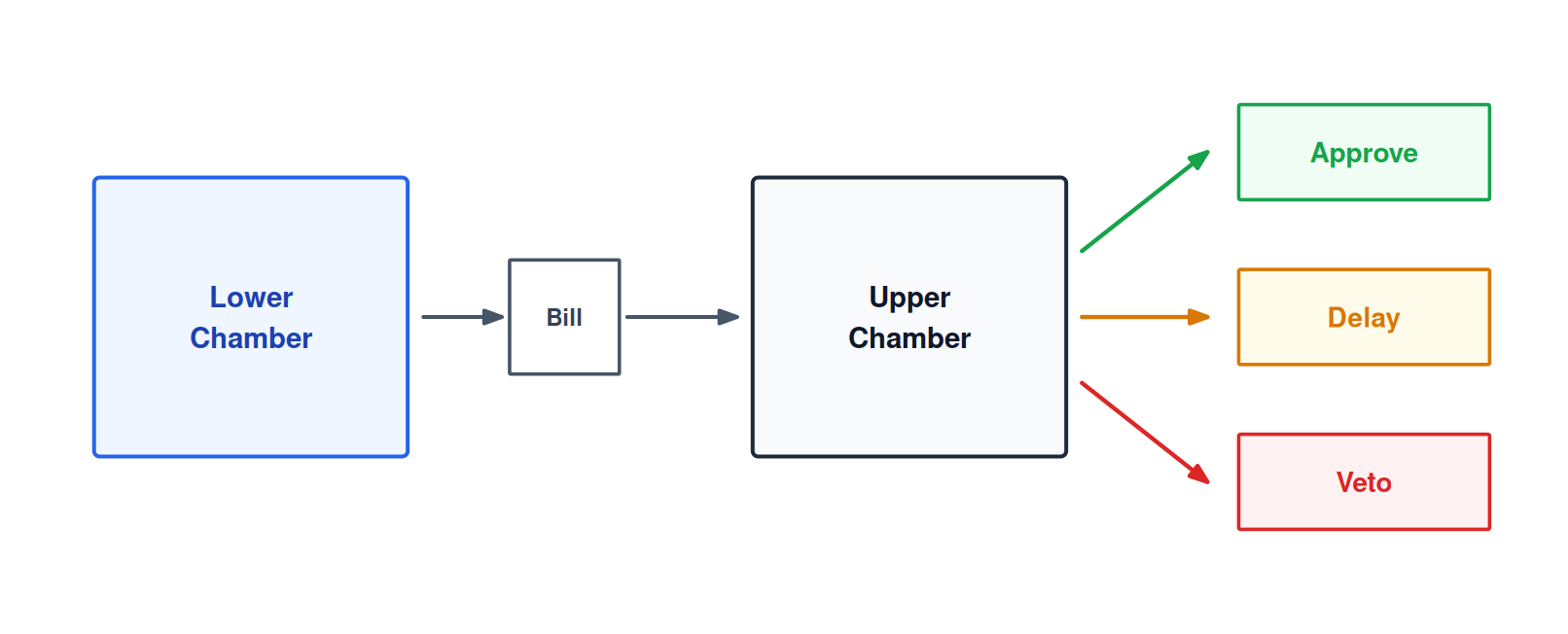
  • Upper chamber can credibly threaten to delay or veto a bill
  • Lower chamber legislators adapt to the threat
    • Produce bills that are likely to pass
    • Vote “irresponsibly” knowing the upper chamber will veto

Congruent vs. Incongruent Bicameralism

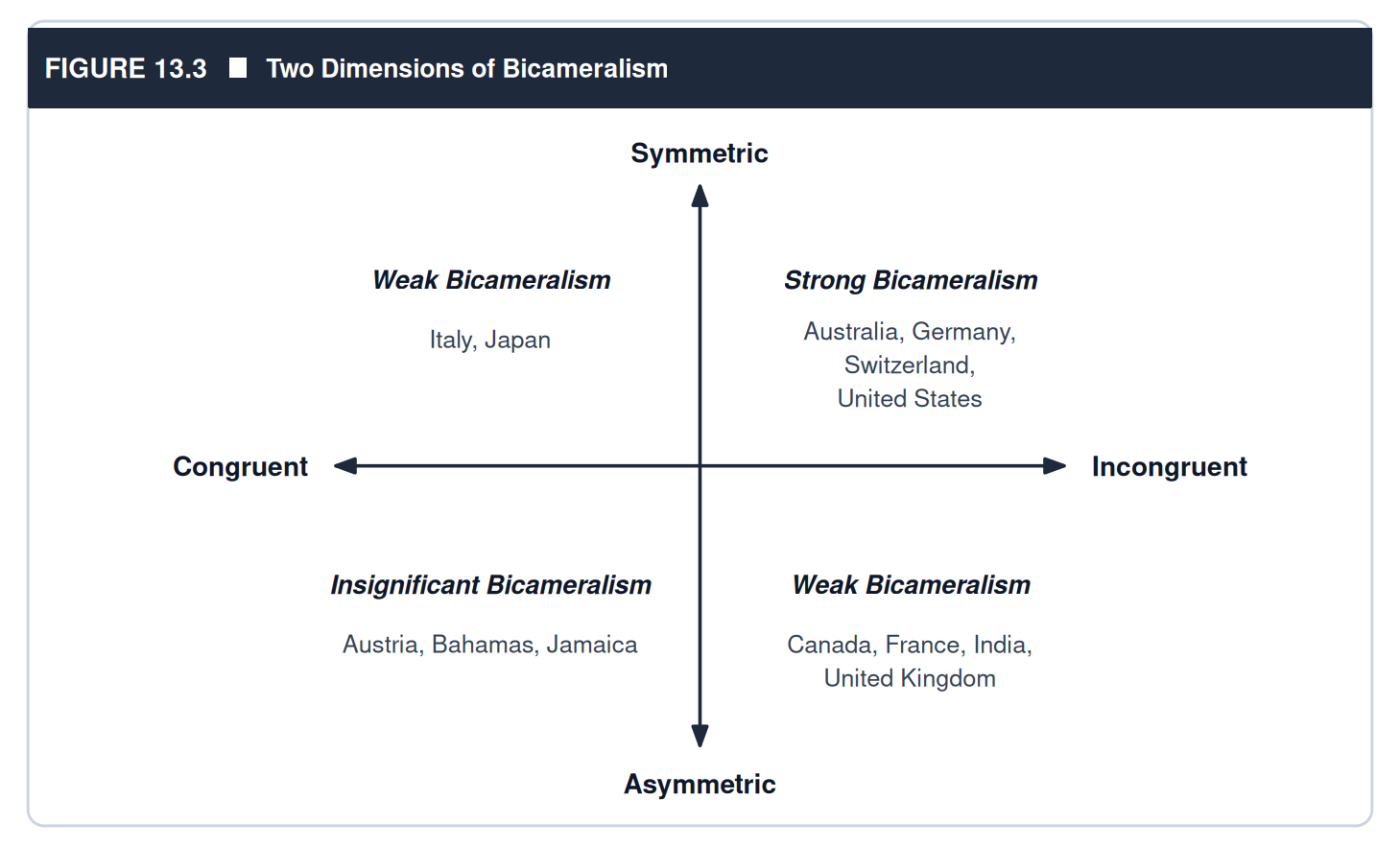
  • Congruent bicameralism \(\rightarrow\) the two chambers have similar political composition

  • Incongruent bicameralism \(\rightarrow\) the two chambers have different political composition

  • This may arise by institutional design

  • Different election rules \(\rightarrow\) methods or suffrage

  • Different representation goals \(\rightarrow\) voters vs. territories

Different Electoral Rules

The lower chamber is directly elected by universal suffrage. This is not necessarily the case for the upper chamber.

Differences include:

  • Restricted suffrage \(\rightarrow\) different voting age
    • E.g., Italian Senate until 2020 (\(\geq\) 25 y.o.)
  • Indirect election \(\rightarrow\) elected by local or regional bodies
    • E.g., Argentina until 1994 (provincial legislatures)
  • Appointment \(\rightarrow\) by regional or national government
    • E.g., German Bundesrat (state govts)
  • Heredity \(\rightarrow\) some monarchies
    • E.g., UK House of Lords until 1999

Different Representation Goals

The lower chamber is supposed to represent all citizens equally. This is not necessarily the case for the upper chamber.

Differences include:

  • Represent some sectors of society
    • E.g., Irish senators (civil society “panels”)
  • Ensure representation of ethnic or linguistic groups
    • E.g., Belgian senators (linguistic regions’ parliaments)
  • Ensure equal representation of regions \(\rightarrow\) federal systems
    • E.g., US and Mexican Senates (fixed members per state)
  • Regional representation \(\implies\) malapportionment
    • Regions with few inhabitants are overrepresented

Malapportionment: An Illustration

TABLE 13.1 ■ Malapportionment in Upper Chambers, 2019

Seats Held by the Percentages of the Most Favorably Represented Citizens (Percentages)
10 20 30 50
United States 39.3 53.9 65.5 82.4
Switzerland 39.3 53.1 63.0 80.6
Australia 33.1 49.6 58.9 73.2
Canada 37.3 46.1 50.6 65.7
Germany 26.0 43.4 55.5 74.4
India 13.7 25.1 36.3 56.2
Austria 12.2 22.6 32.3 52.9
Belgium 11.2 21.2 31.1 50.7

Source: Data were collected by the authors.

Symmetric vs. Asymmetric Bicameralism

  • Symmetric bicameralism \(\rightarrow\) the two chambers have (nearly) equal powers
    • The agreement of both chambers is needed to enact a law
  • Asymmetric bicameralism \(\rightarrow\) the two chambers have unequal powers
    • The lower chamber is the one with more power

Two Dimensions of Bicameralism

  • Symmetric and incongruent bicameralism is stronger
  • Strong chambers with different preferences can keep each other in check

Summing Up

What We Learned

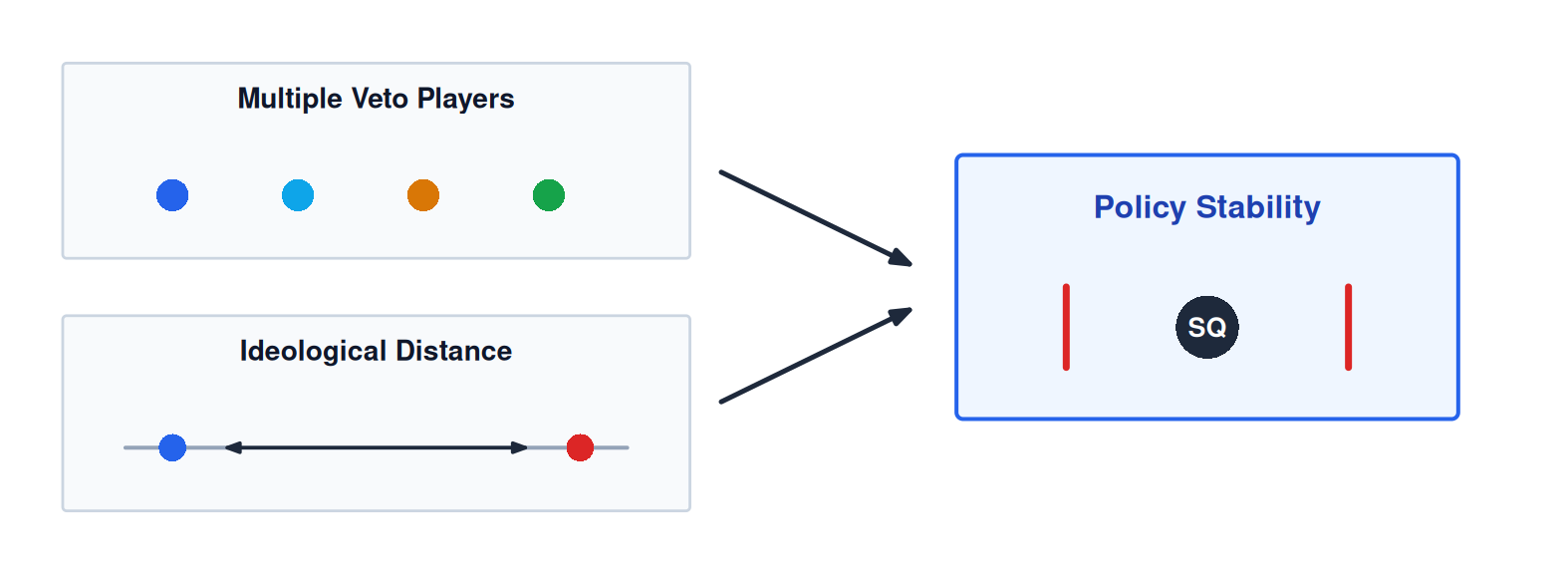
  • The configuration of veto players is a key institutional feature of a country

  • Veto players determine how hard it is to change the political status quo

  • What matters: not just their number, but how different their preferences are
Final Remarks

  • Systems with many veto players are essentially designed to ensure broad agreement exists for political changes

  • Whether policy stability or status quo bias is good or bad is unclear

  • The cost of many heterogeneous players can be excessive policy stability, status quo bias, or “gridlock”

  • On the other hand, paraphrasing Lijphart: “If you don’t like ethnic gridlock, try ethnic conflict”

  • Which leads us to our final lecture (next week)

Thank you!