9. Cleavages and Party Systems
Comparative Politics
From the First Lecture
Q: Why do parliaments have different numbers of parties?
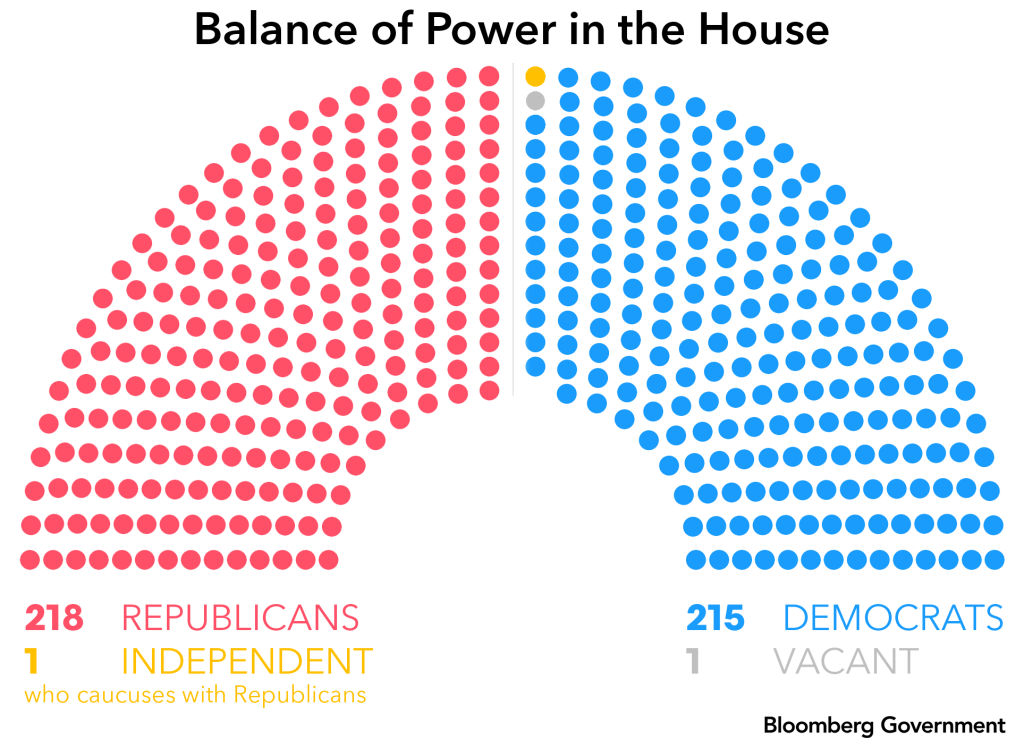
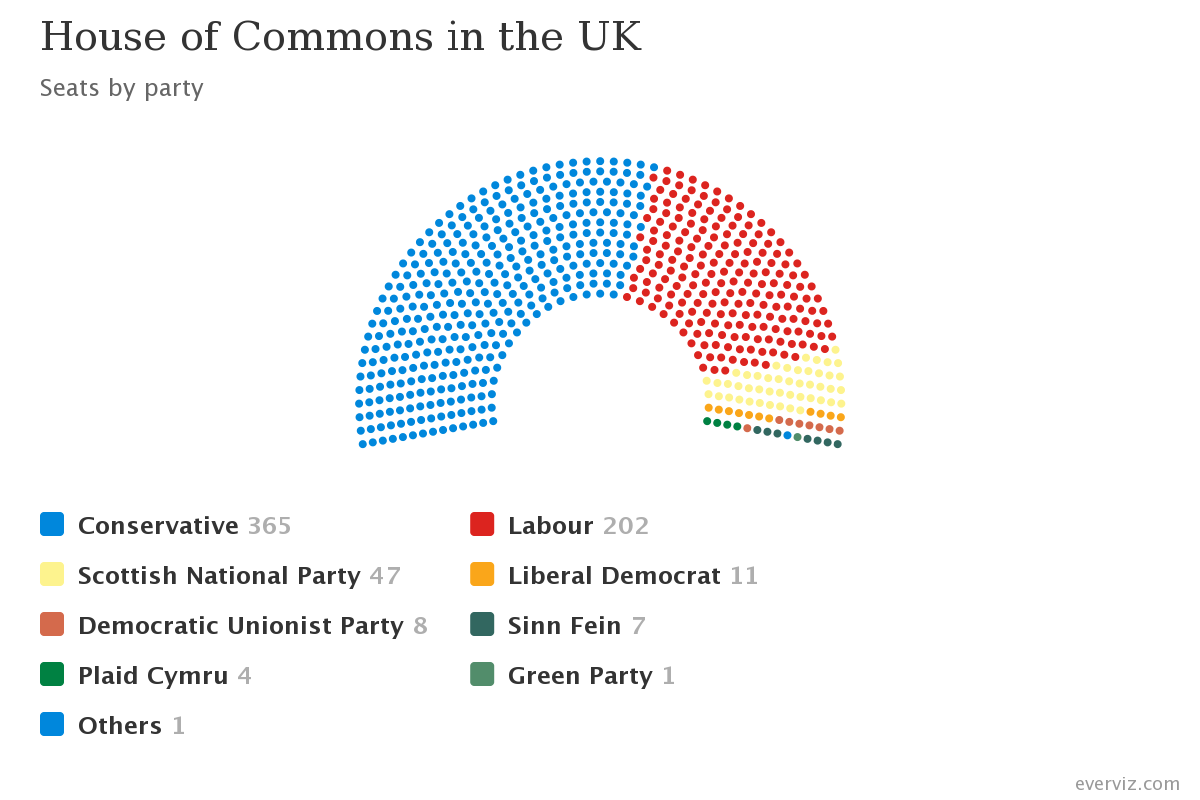
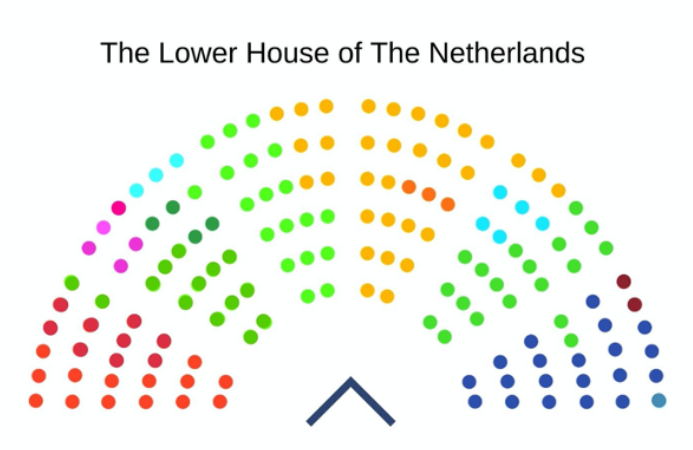
- Effective Number of Parties (a measure of legislative fragmentation): US, UK \(\approx\) 2; Netherlands \(\approx\) 8
- Are voters or parties different? Or do electoral rules matter?
From the First Lecture
Q: Does ethnicity matter in politics?
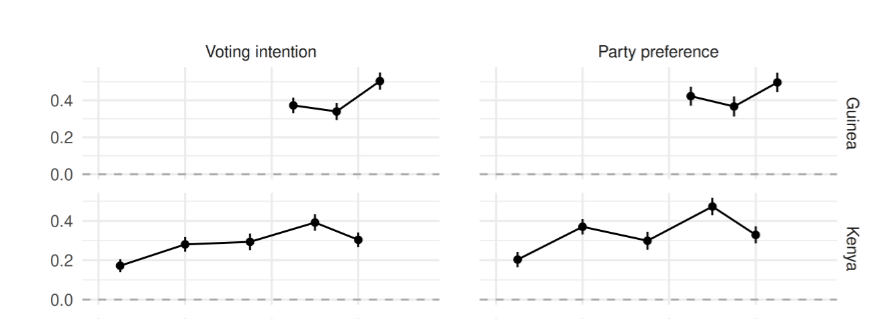

- Kenya and Tanzania \(\rightarrow\) geographic neighbors, same national language
- Kenya: prob. that two people vote for the same party \(\uparrow\) 40pp if they are coethnics
- Tanzania: almost the same prob. between coethnics and non-coethnics
- Why do we see ethnic cleavages in some countries and not others?
Party Systems: A Basic Taxonomy
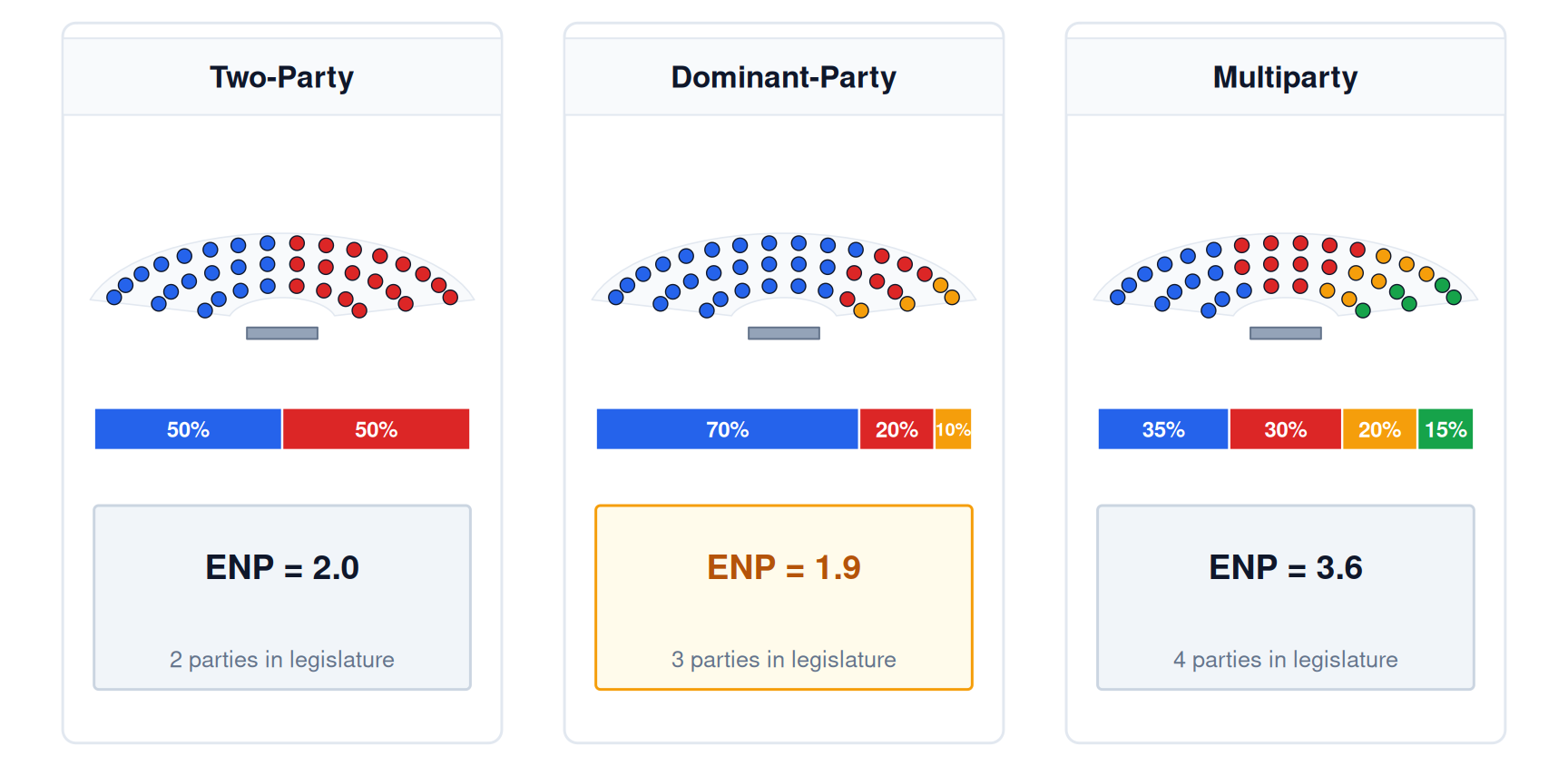
Single-party systems
Only one party is legally allowed to hold power
By definition, these are not democracies
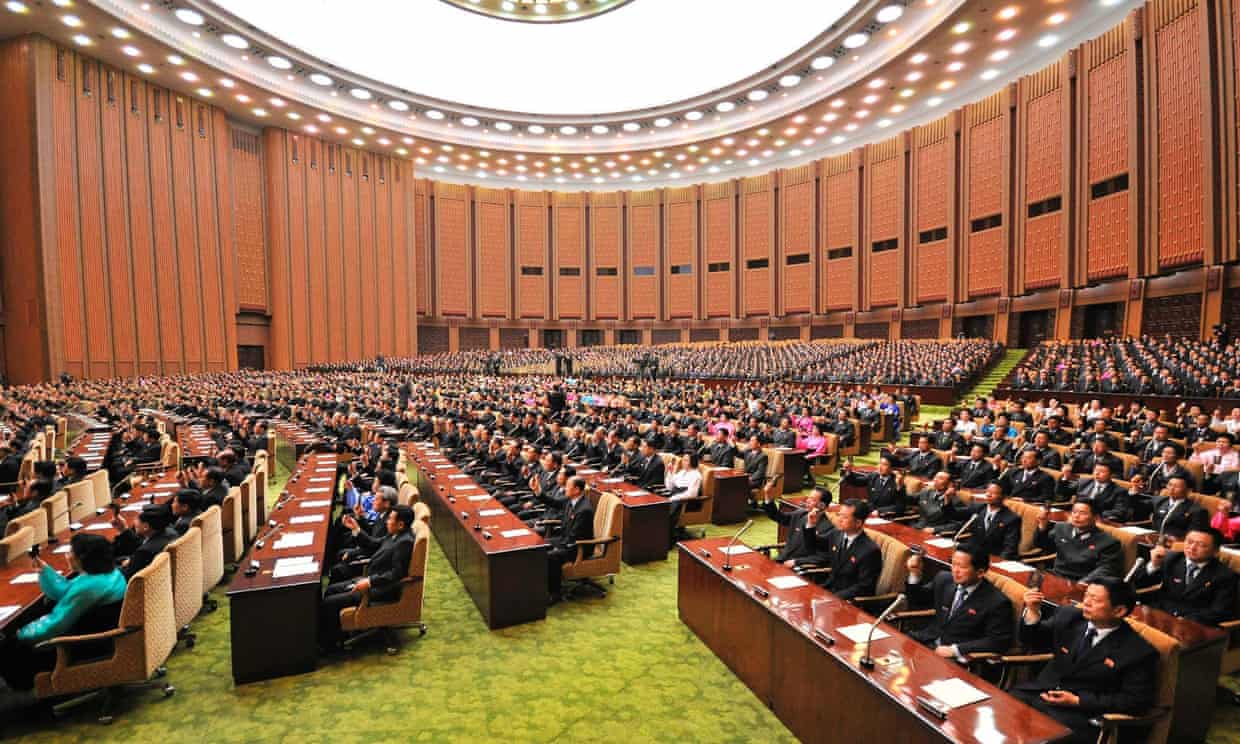
Party Systems: A Basic Taxonomy
One-party dominant systems
Multiple parties are allowed, but only one has a realistic chance of winning elections
Classification as a democracy or dictatorship can be subtle and contested
Is the government undermining the opposition, or is it simply more popular?
Cf. Rwanda vs. South Africa; the Democratic Party in the Jim Crow US South vs. the CSU in Bavaria


Party Systems: A Basic Taxonomy
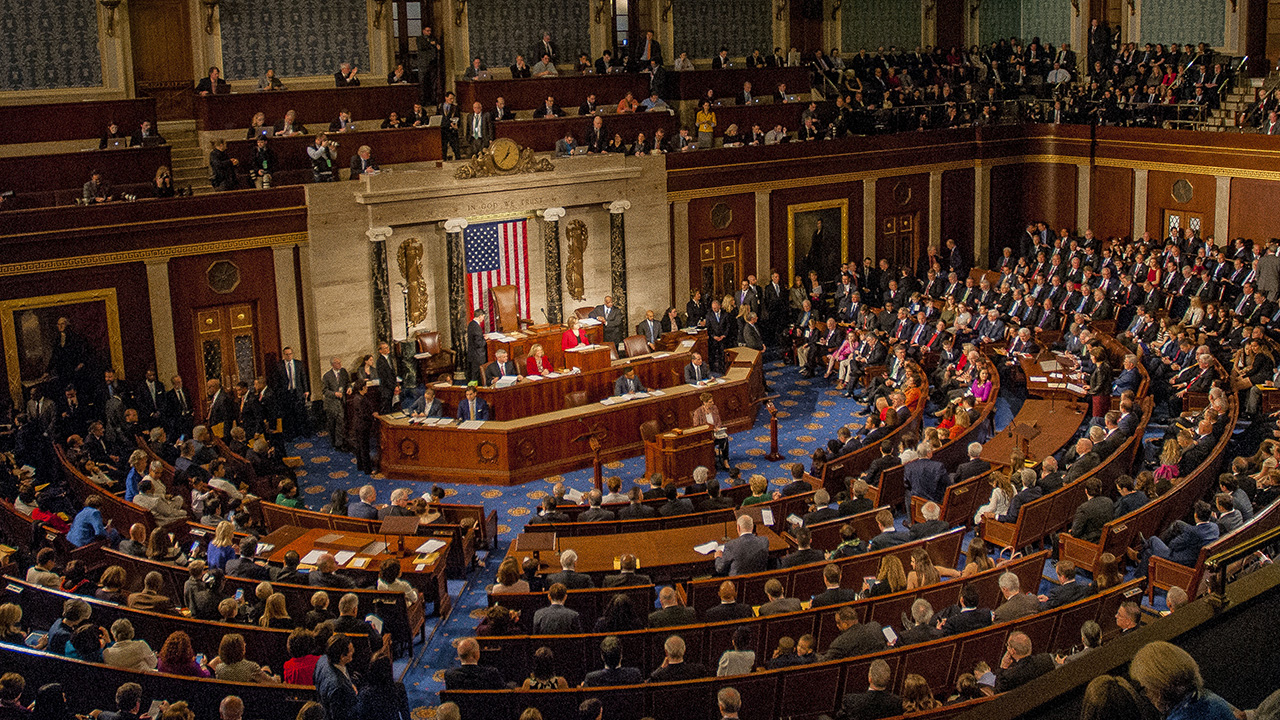
Two-party systems
Multiple parties exist, but only two major parties have a realistic chance of winning elections
Cf. Democratic Party vs. Republican Party in the US; Jamaica Labour Party vs. People’s National Party in Jamaica
Party Systems: A Basic Taxonomy
Multiparty systems
More than two political parties have a realistic chance of winning elections
They can rule separately or as part of a coalition

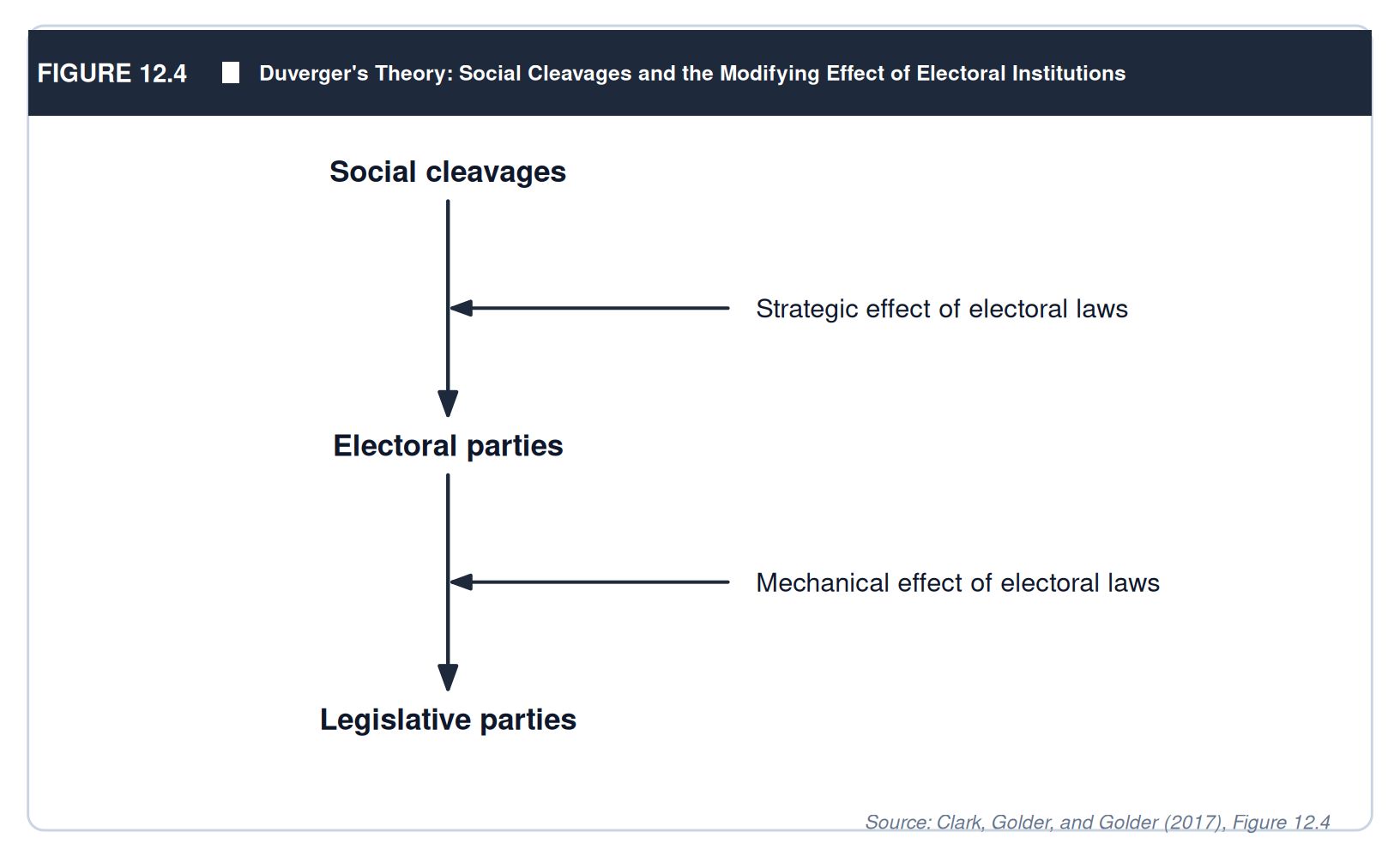
Duverger’s Theory
The Origins of Ethnic Cleavages
Political and economic forces shaped modern ethnic identities
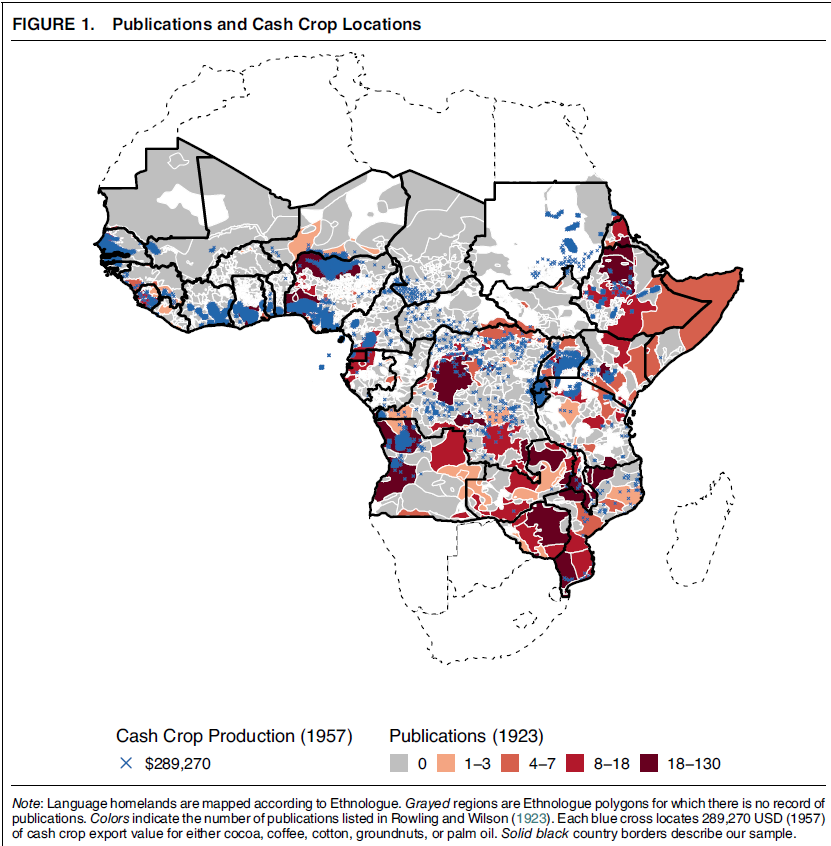
- Missionaries and colonial authorities \(\rightarrow\) “created” linguistic categories by harmonizing local dialects
- Publications in local languages \(\implies\) group identity and pride
- Agricultural innovations \(\implies\) made ethnicity valuable to manage control of land
- Both factors \(\implies\) collective identity, ethnic boundaries, and group mobilization
The Origins of Ethnic Cleavages
Institutions make some cleavages more salient than others
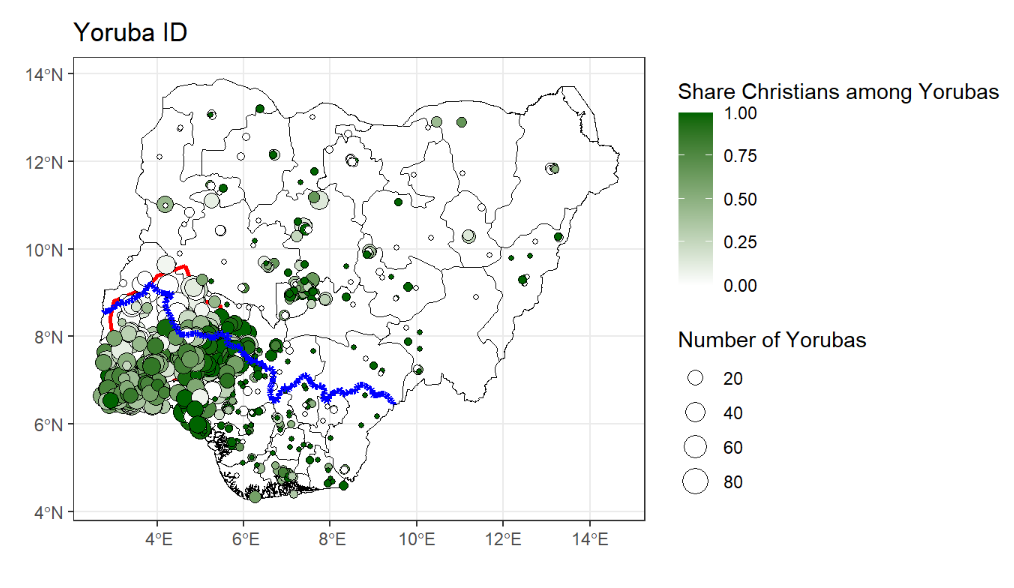
- The main national cleavage in Nigeria is between the North (Muslim-majority) and the South (Christian-majority)
- Among the Yoruba, British colonial institutions made local ancestries more salient than religion (Laitin 1986)
- As a result, the Yoruba are divided by religion, but this divide is not salient
The Origins of Ethnic Cleavages
Colonial and post-colonial borders created new majority/minority patterns
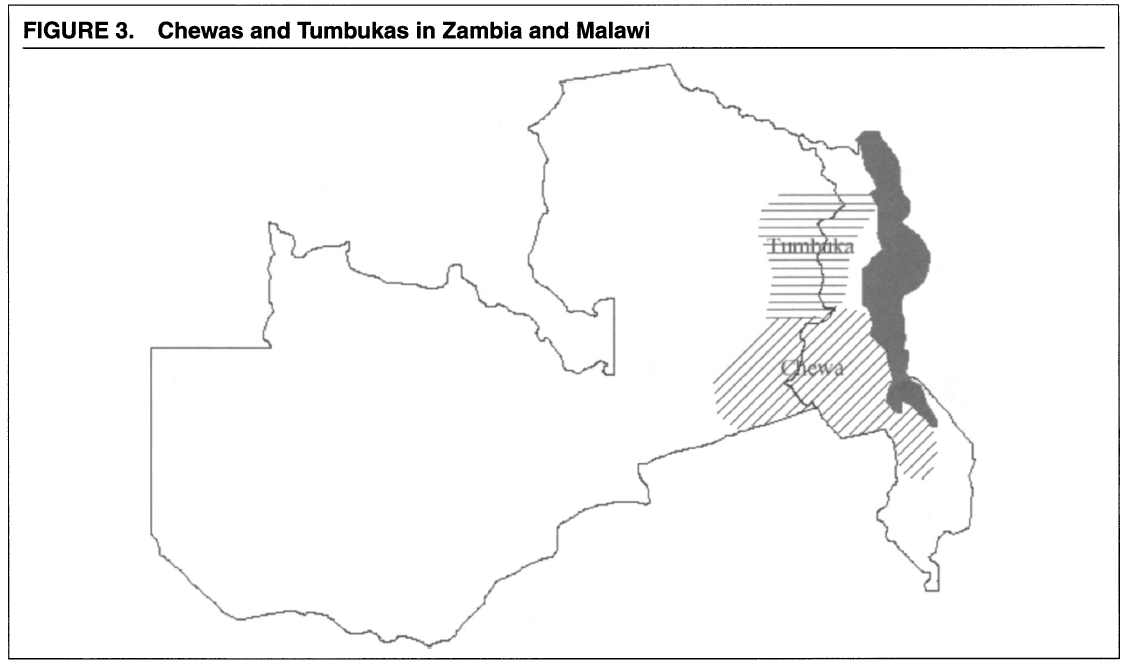
- Chewas and Tumbukas are “small” groups in Zambia but “large” groups in Malawi
- Larger size \(\implies\) electoral strength, so the Chewa-Tumbuka cleavage is more salient in Malawi
- This leads to political competition and greater hostility between the two groups in Malawi
The Origins of Ethnic Cleavages
Ethnicity often overlaps with other cleavages
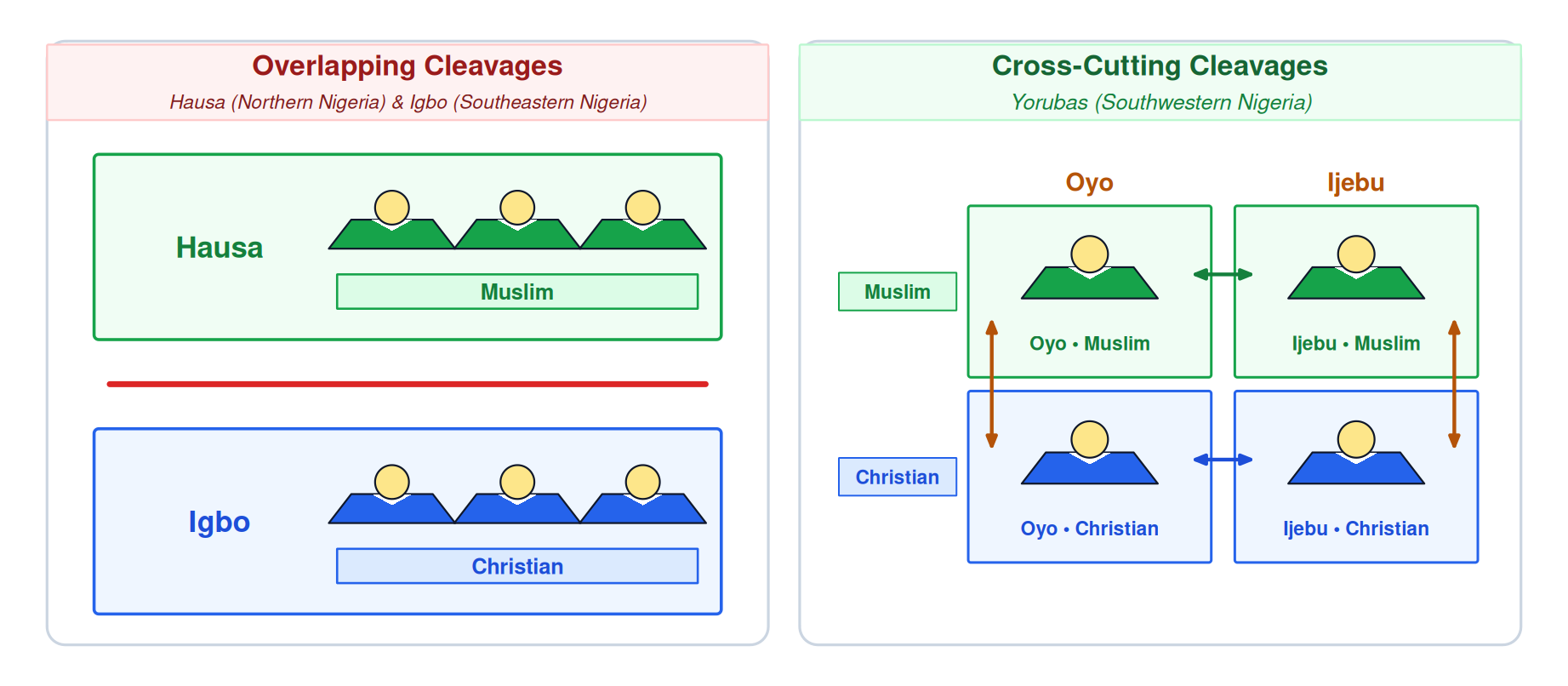
Economic or territorial inequalities reinforce ethnic divisions
Mechanical Effects of Electoral Laws
Electoral laws mechanically constrain how many parties hold office
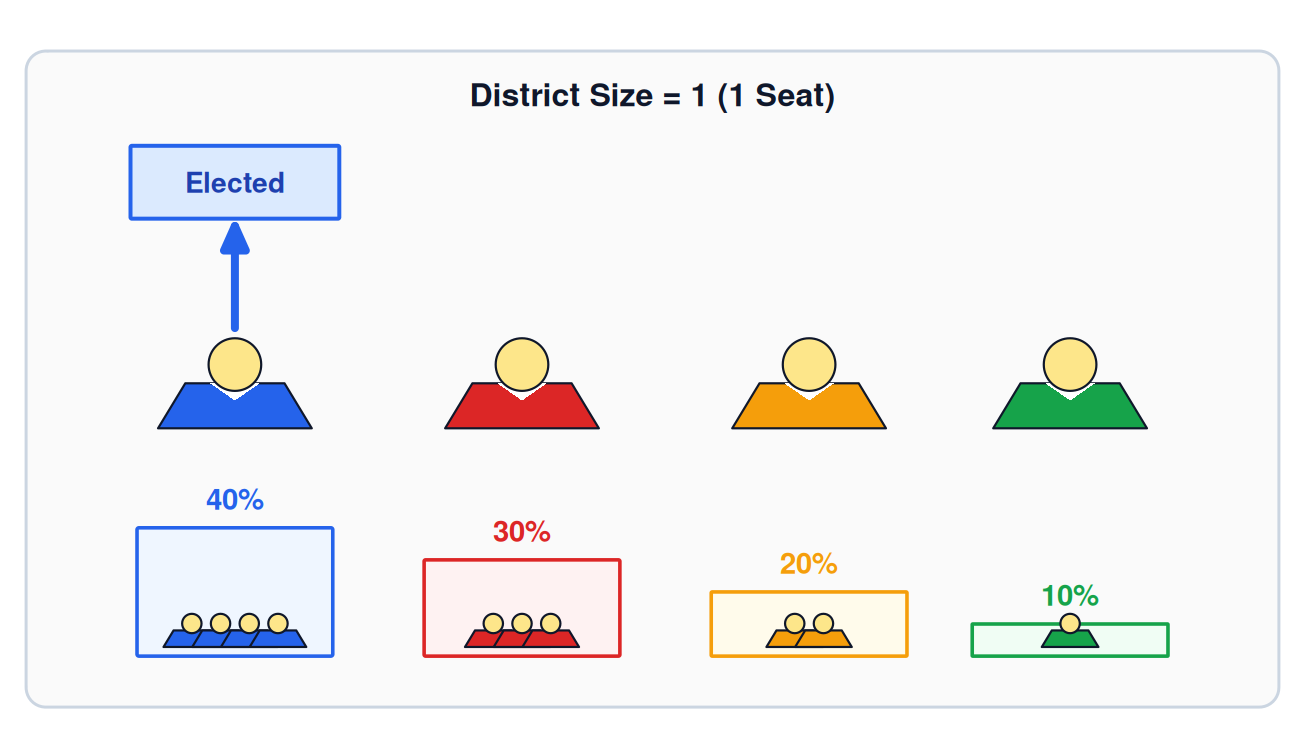
- SMDP favors large national parties or local majorities
- E.g., Scottish National Party (2015) \(\rightarrow\) 4.7% of votes, 8.6% of seats
From Parties Back to Cleavages
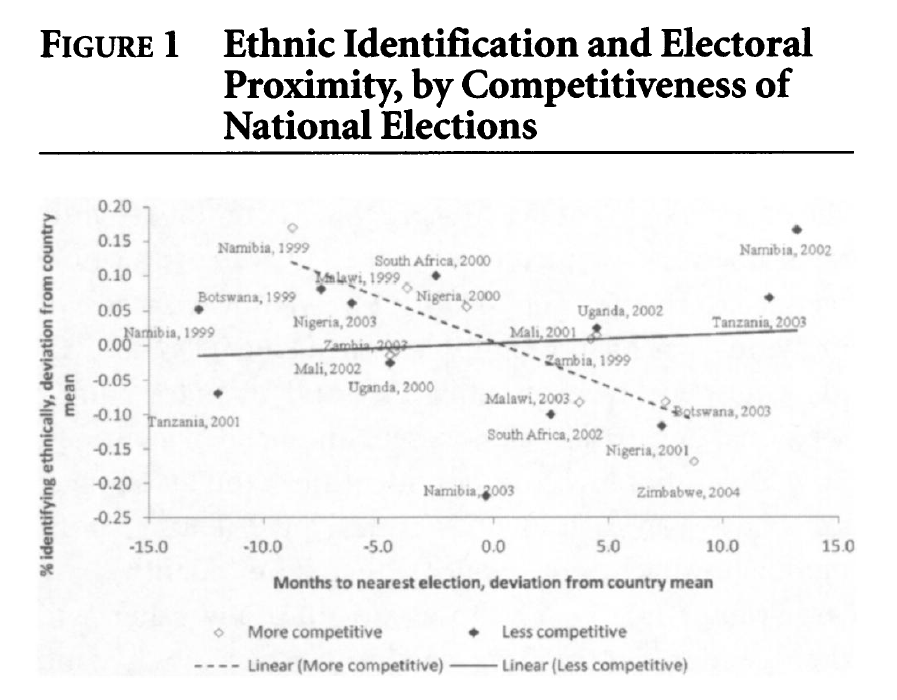
Given a set of rules that allocate power, parties want to maximize their support
\(\implies\) In ethnicized party systems, parties promote ethnic identification
- The salience of ethnic identity (relative to national identity) increases in proximity to elections
- Politicians appeal to coethnics to “vote together”
- People expect that only coethnic politicians will represent their interests
\(\implies\) stronger ethnic identities and ethnic parties
From Parties Back to Cleavages
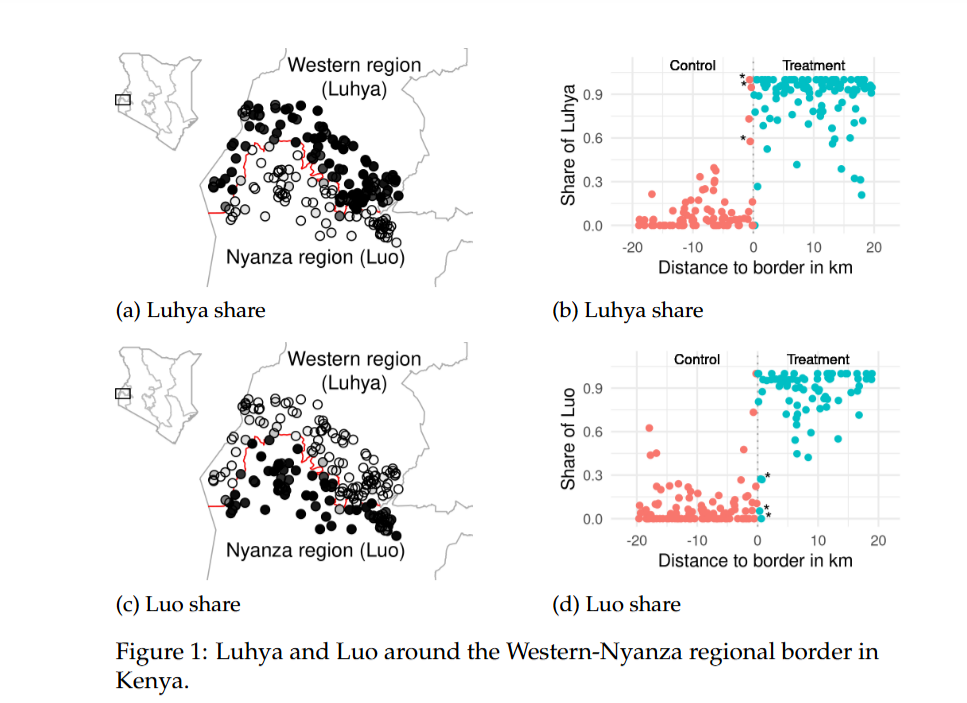
Given a set of rules that allocate power, parties want to maximize their support
\(\implies\) In ethnicized party systems, parties promote ethnic identification
- People expect that a coethnic local government will represent them better
- They want to live in regions where their group is the majority
\(\implies\) This reinforces local majorities and provides further incentives for ethnic voting
What We Learned
A country’s party system is shaped by its social heterogeneity (cleavages) and the rules that translate social demands into political power (electoral institutions)
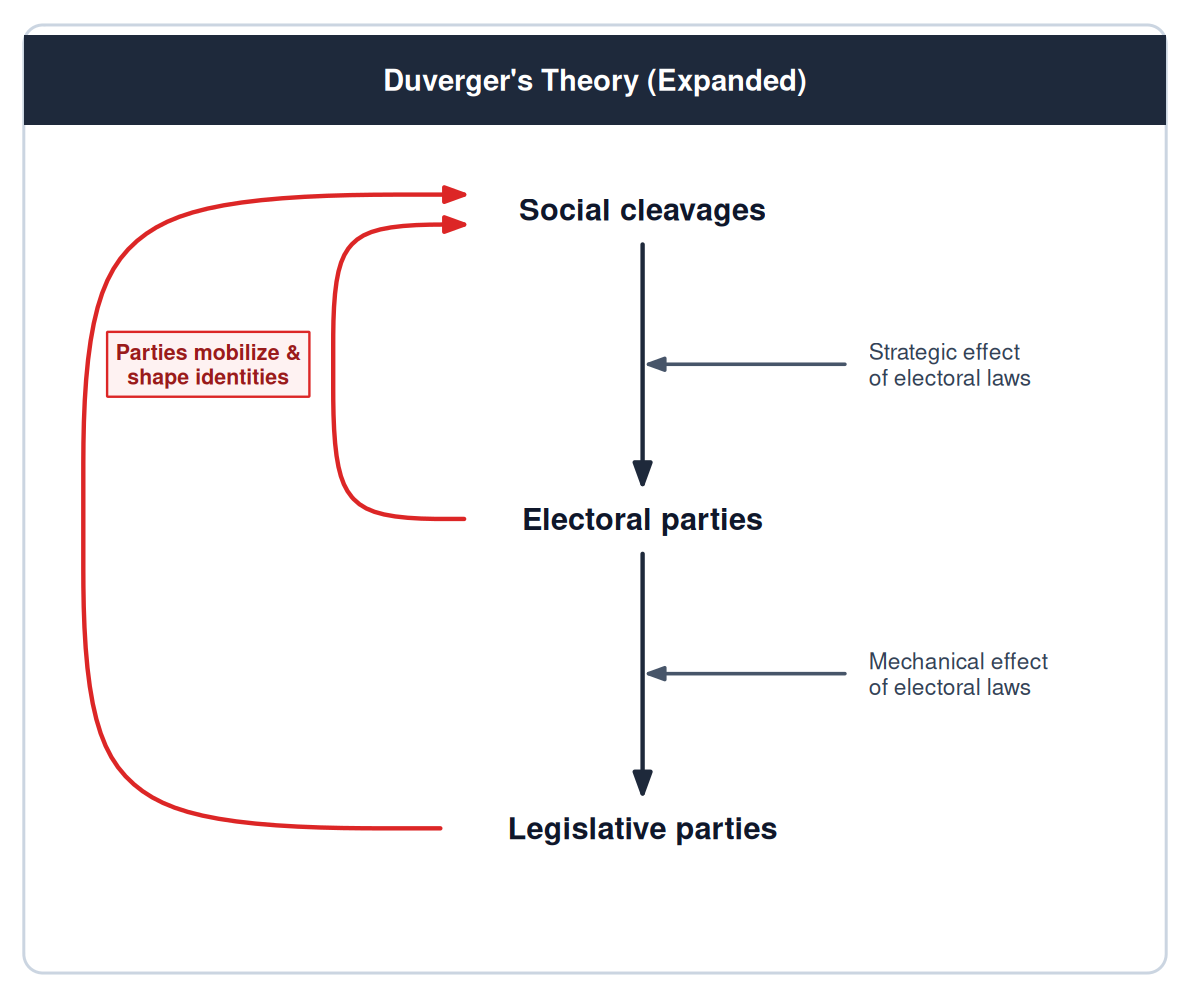
- Cleavages and identities \(\rightarrow\) potential parties
- Electoral rules \(\rightarrow\) effective parties
- Strategic and mechanical effects
- Parties \(\rightarrow\) shape both cleavages and electoral rules to advance their interests