3. The State

Comparative Politics

A World of States

Source: Wikimedia commons

  • Politics \(\rightarrow\) domain of human behavior that concerns the use of power
  • The state \(\rightarrow\) master political institution through which power is exercised

Varieties of States

Swiss federal palace in Bern

Somali civil war (Source: Wikimedia commons)

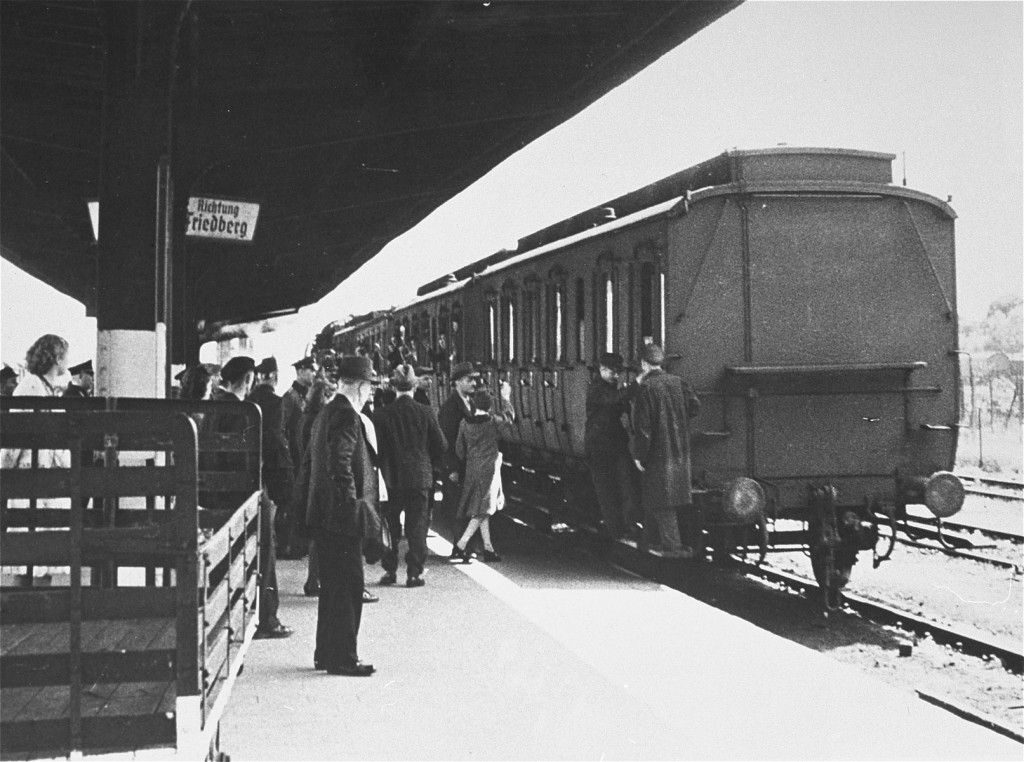
Source: US Holocaust Memorial Museum
  • Some states provide public services, guarantee safety and protection
  • Others do not have full authority over their territory
  • Others have authority but exercise unchecked violence on their populations

Questions

  • What is a state and what does it do?
  • How did they states evolve to their current configuration?
  • Why these differences in states’ power and outcomes?

Our Plan for Today

Two views of the state:

The Social Contract View

  • External protection to permit social cooperation
  • Solve a problem of “horizontal” violence

The Predatory View

  • Pursuit of power of few over many
  • Create a problem of “vertical” violence

Origins of the modern state (a predatory view)

What is the State?

Weber’s Classic Definition

“a human community that (successfully) claims the monopoly of the legitimate use of physical force within a given territory

Max Weber (1918)

  • Territory: a state is delimited by space (unlike nations)
  • Physical force: the state can exert violence
  • Legitimate: state’s authority is willingly accepted by people
  • Monopoly: the state is the sole provider of violence

Problems with Weber’s Definition

  • Territory and Physical force \(\rightarrow\) universally accepted
  • The other concepts are more contested

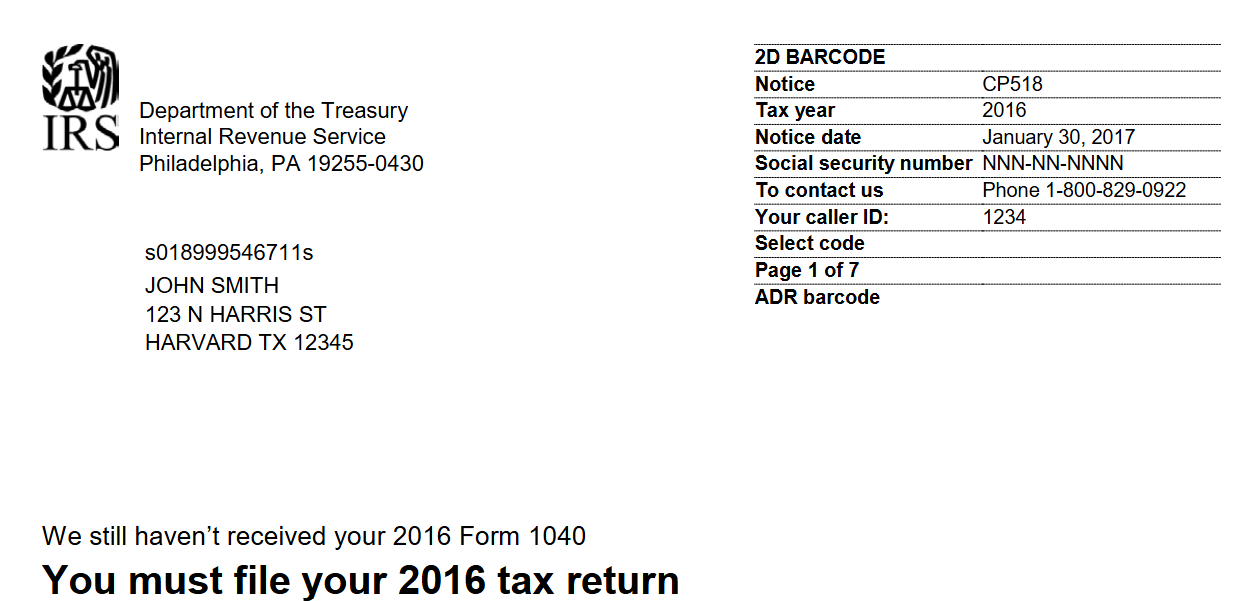
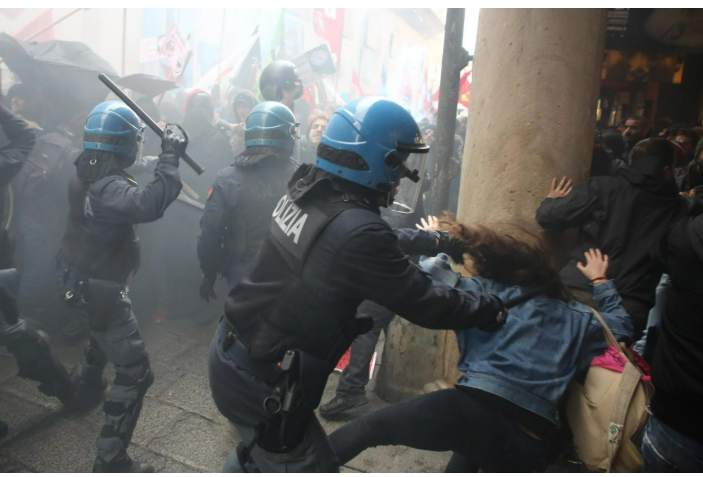
What happens if you don’t pay taxes?
  • Legitimacy \(\rightarrow\) is it objective or immutable?

  • Monopoly \(\rightarrow\) what if armed groups claim legitimacy?
Alternative Definitions

[States are] relatively centralized, differentiated organizations, the officials of which, more or less, successfully claim control over the chief concentrated means of violence within a population inhabiting a large contiguous territory.

Charles Tilly (1985)

A state is an organization with a comparative advantage in violence, extending over a geographic area whose boundaries are determined by its power to tax constituents.

Douglass North (1981)

What is new here?

Alternative Definitions

  • Territory and force are maintained
  • Legitimacy and monopoly \(\rightarrow\) replaced with weaker conditions
  • Violence is easier for the state and difficult to challenge
  • But the state does not have a perfect monopoly

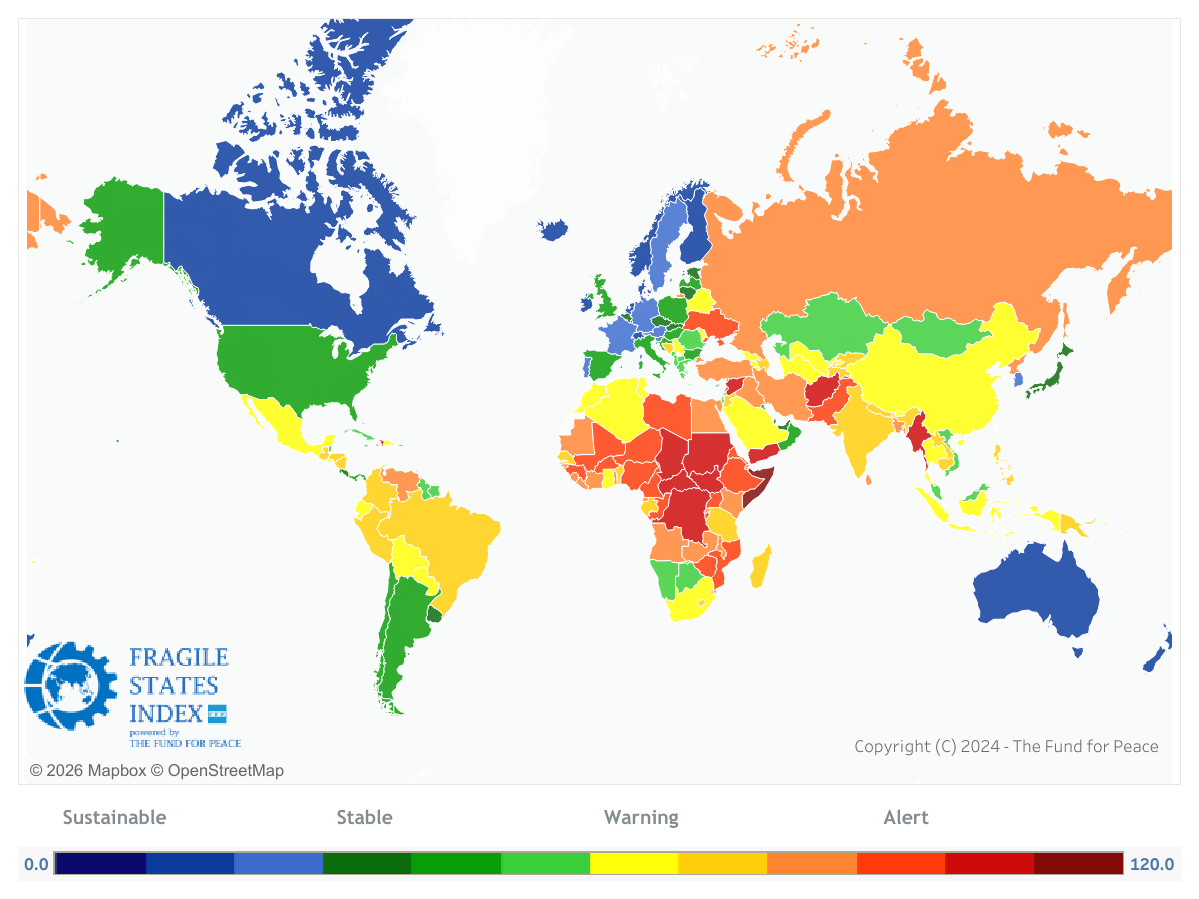
A Continuum of Stateness

Fragile States Index

It makes sense to separate what a state is from its relative success

Next Steps

  • Why should someone claim or control the means of violence?
  • What explains patterns of state formation in the world?

The Social Contract View

An Illustration

The Foundations

  • Originates from the work of Hobbes, Locke, Rousseau
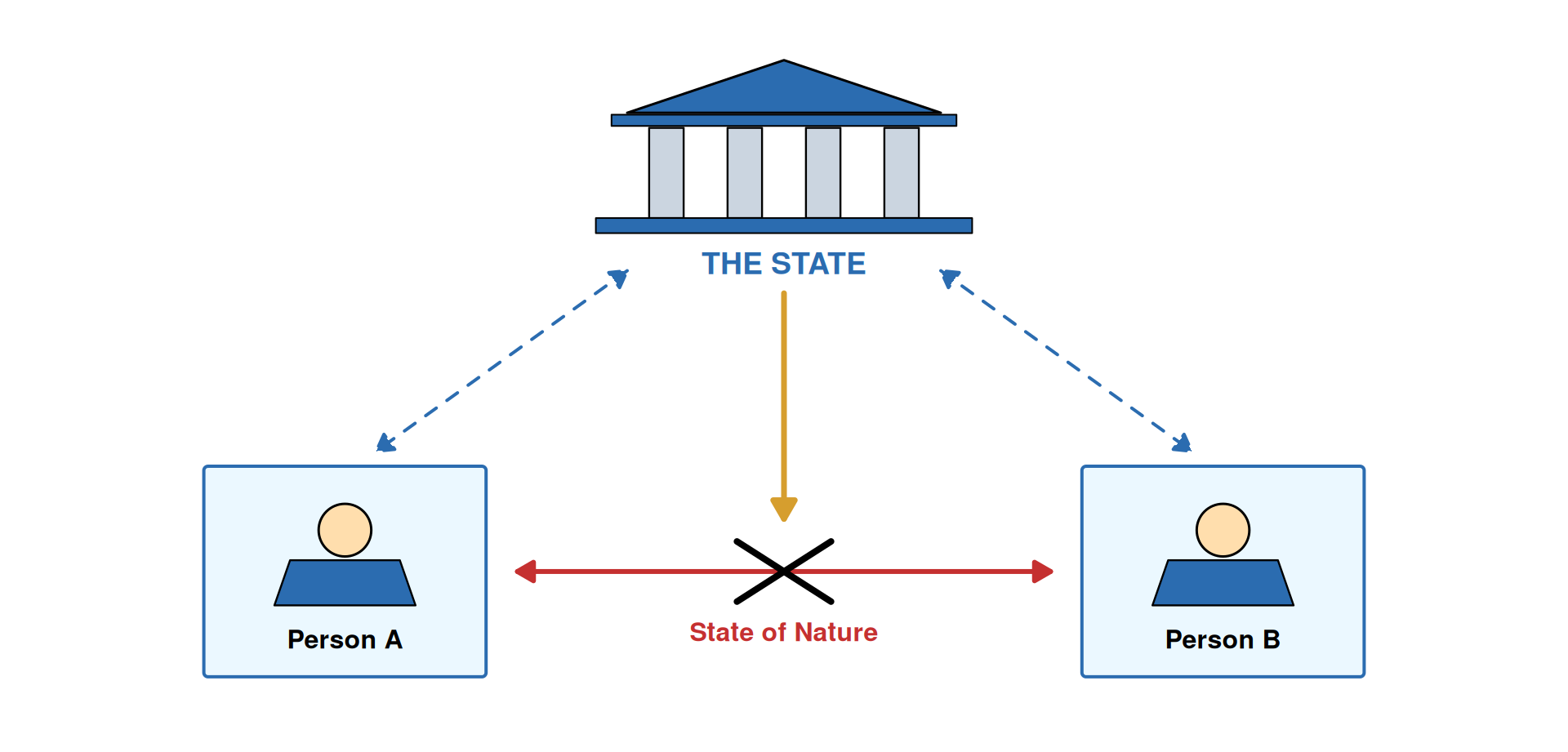
  • They ask “how would a world without the state be like”
The Foundations

  • Originates from the work of Hobbes, Locke, Rousseau
  • They ask “how would a world without the state be like”

People willingly subject themselves to authority for security

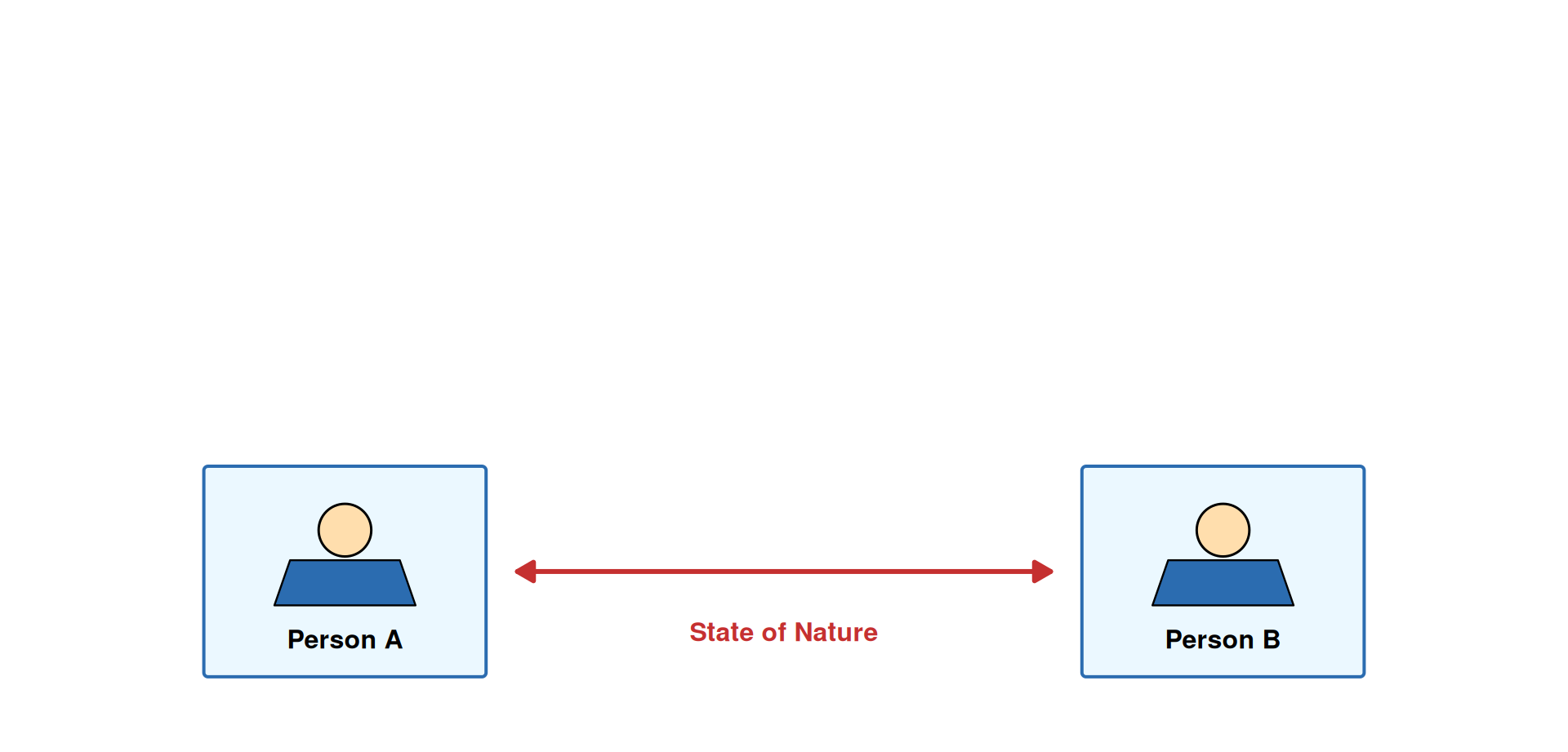
The State of Nature

Imagine two men in the “state of nature”

  • Men can steal from their neighbor or refrain
  • How does their decision problem look like?
Refrain Steal
Refrain 3, 3 0, 5
Steal 5, 0 1, 1

What would the men do?

The State of Nature

Refrain Steal
Refrain 3, 3 0, 5
Steal 5, 0 1, 1


  • Pareto Optimal: (Refrain, Refrain) - Best collective outcome
  • Nash Equilibrium: (Steal, Steal) - Most rational individual strategy

\(\implies\) violence impedes development

The Social Contract

The state of nature is undesirable

  • Violence wins over cooperation
  • The threat of predation makes long-run investment unprofitable
  • “Protection” groups emerge and are in conflict

\(\implies\) an authority punishing “stealing” benefits everyone

The Social Contract

  • Suppose an authority imposes a punishment (\(p = 3\)) for stealing
  • In exchange, everyone pays a tax (\(t = 1\))
Refrain Steal
Refrain 2, 2 -1, 1
Steal 1, -1 -3, -3

What would the men do now?

The Social Contract

  • Suppose an authority imposes a punishment (\(p = 3\)) for stealing
  • In exchange, everyone pays a tax (\(t = 1\))
Refrain Steal
Refrain 2, 2 -1, 1
Steal 1, -1 -3, -3


  • Nash Equilibrium & Pareto Optimal: (Refrain, Refrain) \(\rightarrow (2, 2)\)

The Social Contract

Why “social contract”?

  • People give up their “natural” rights \(\rightarrow\) freedom
  • In exchange, they receive “civil” rights \(\rightarrow\) laws
  • People “fund” the sovereign \(\rightarrow\) tax

Problems of the Social Contract View

  • It is normative rather than positive
  • Single mechanism \(\rightarrow\) hard to explain variation in state outcomes
  • The social contract grants the sovereign capacity to use violence
  • The sovereign could use it to breach the contract

The Predatory View

The State as Organized Crime

In the predatory view, the state is analogous to the Mafias

  • Powerful men use violence to increase their power over others
  • Protection is extorted rather than sought
  • Protectors want to expand their area of operations
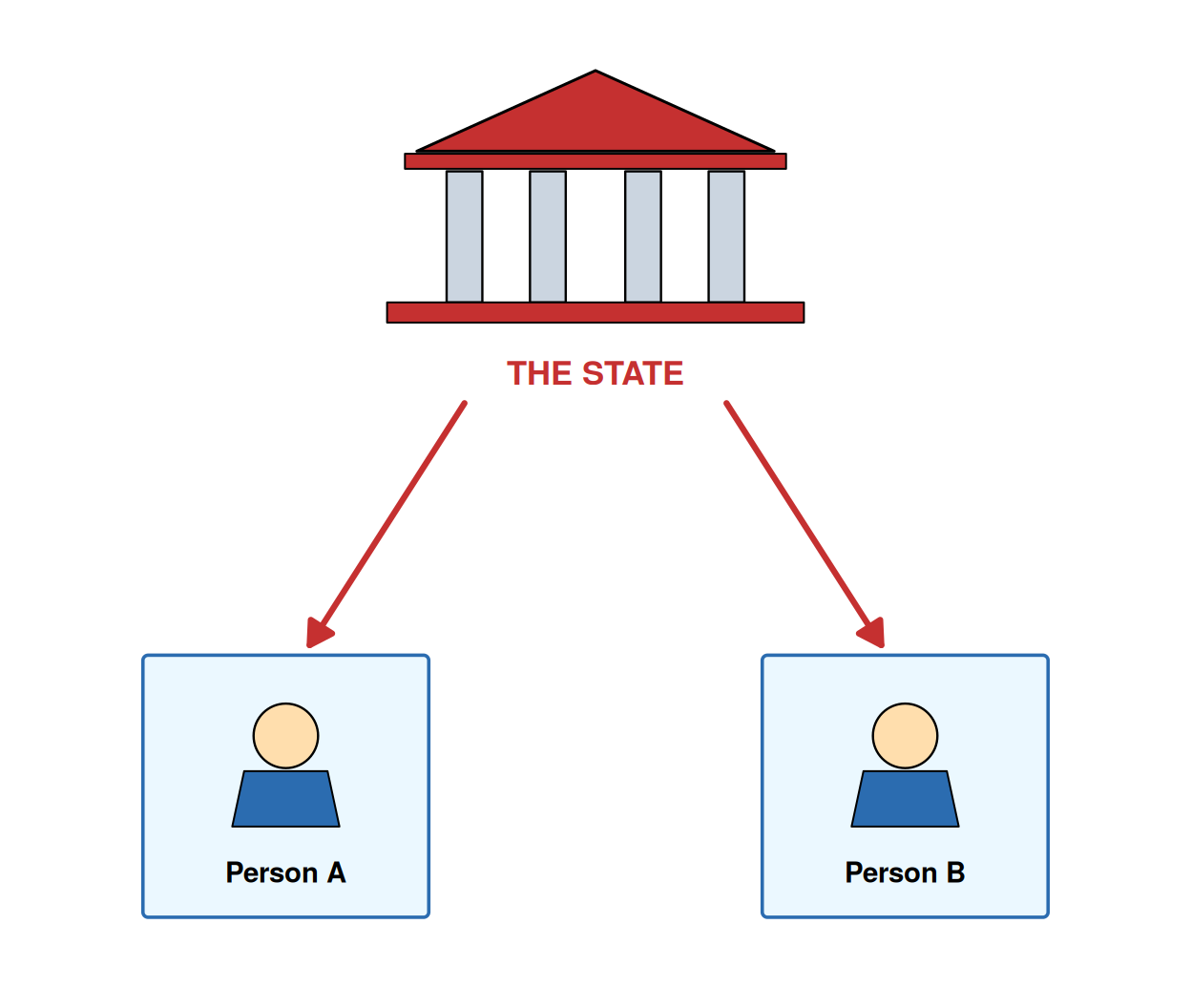
\(\implies\) The state emerges a consequence of power consolidation

Predation and the Emergence of Early States

Key moment \(\implies\) Neolithic Revolution

8000-6000 BCE \(\rightarrow\) emergence of agriculture in highly fertile lands

  • From small, mobile groups to large, sedentary communities
  • Plant cereals and legumes to complement traditional activities
  • Domesticate animals

Source: GFDL/Wikimedia Commons

Grain States

The earliest states were all “grain states” (Scott 2017)

\(\implies\) suggests causal link between agriculture and states

  • From subsistence to agricultural surplus
    • \(\implies\) social hierarchy of non-producing professions
  • Cereals are measurable and storable
    • \(\implies\) opportunity for appropriation (taxes)

Source: Wikimedia commons

The Importance of Information

  • The rise of agriculture \(\implies\) institutionalized predation
  • States developed technologies to implement it systematically
  • Population control: control/block mobility to preserve food production
    • Forced resettlement, slavery…
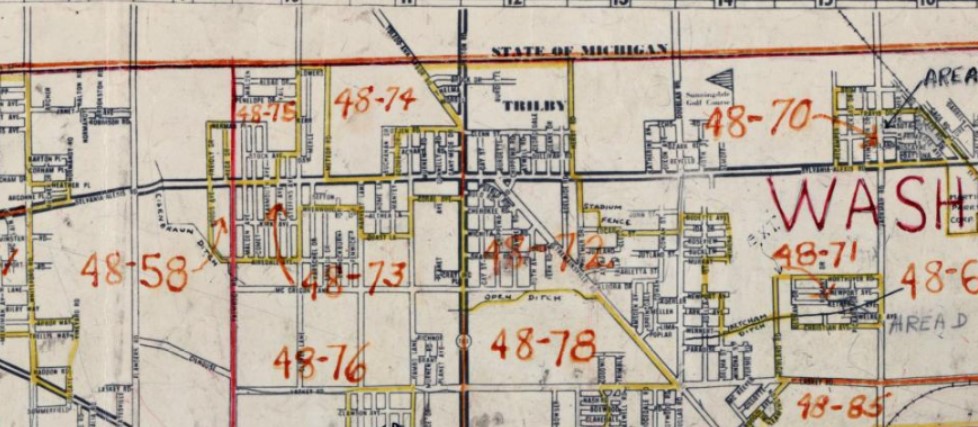
  • Information: know who lives where and what is produced
    • Maps, censuses, registries…

Source: National Archives

\(\implies\) States make their territory legible

State Formation in Early Modern Europe

Dissolution of the Roman Empire \(\rightarrow\) fragmented political authority

Source: Yetkinler/Wikimedia commons

\(\implies\) Does the predation view explain state centralization?

War and States

War made the state, and the state made war. (Tilly 1990)

Two key forces:

  • Population growth \(\implies\) increase land to keep up productivity
    • \(\implies\) incentive to try and conquer neighbors
  • Military technology \(\implies\) protection/aggression is costly
    • \(\implies\) need stable sources of financing

\(\implies\) External wars \(\Leftrightarrow\) state building

War and States

War made the state, and the state made war (Tilly 1990)

Modern states emerged from the interaction of these elements:

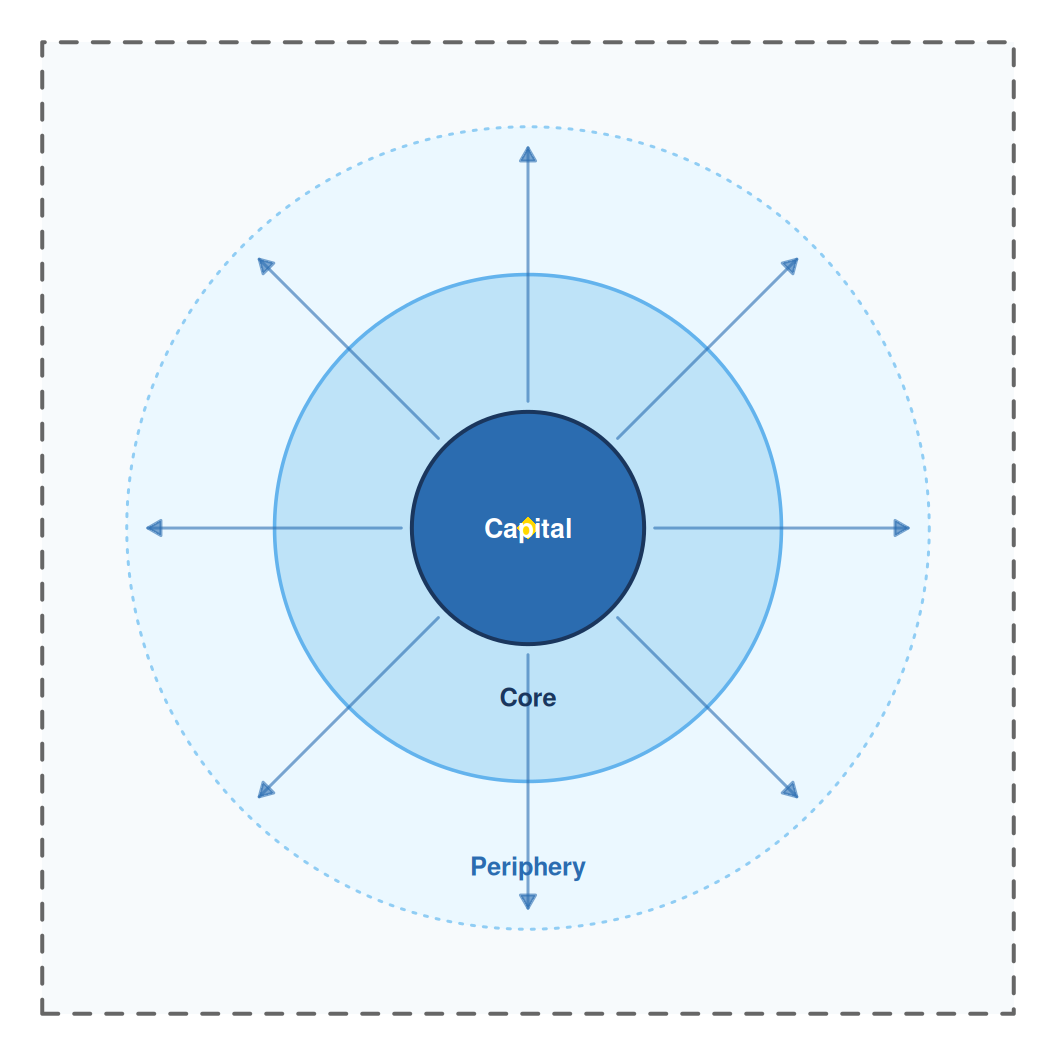
  • War (and defense from war) requires capital to fund armies
  • Rulers need regular access to capital \(\rightarrow\) fiscal extraction
  • Create taxation systems and state infrastructure
  • European states were not created by bargaining or ideological projects
  • Rather, by the interaction of war making and accumulation

The African Experience

Does the model account for non-European experiences?

In Africa: different structural conditions \(\implies\) different outcomes (Herbst 2000)

  • Land abundance and pop. scarcity (unlike Europe)
  • Colonialism + international system enforces state boundaries
  • \(\implies\) less incentives for external expansion and internal state building
  • “Absence” of the state in remote territories
Summing Up

What We Learned

  • The state is an institution that claims a monopoly over the means of violence
  • To function it extracts resources \(\rightarrow\) taxation
  • Extraction requires legibility \(\rightarrow\) know its people
  • But states also allow to govern (e.g., provide rule of law)
  • Despite predation, coercive power can be valuable for cooperation

Is There a Correct View?

  • Both views reflect aspects of the nature of the state
  • The predatory view emphasizes coercive nature
    • People pursue power through the state
    • Better theory for explaining the range of observed outcomes
  • But the social contract view also emphasizes an important aspect
    • There is demand for many state functions
    • A component of consent is always present

How can people “enforce” the contract and limit state’s power?

We need to introduce power-sharing political institutions (next week)

Thank you!