1. Introduction

Comparative Politics

Introduction(s)

Course Information and Logistics

  • Instructor: Giacomo Lemoligiacomolemoli.github.io
  • Instructor’s Email: glemoli@fus.edu
  • Office location: LAC 8 (3rd floor)
  • Office Hours: Monday-Thursday 12:30-14:15
  • Class location: Kaletsch Campus Bldg., Room 5
  • Class meeting times: Monday-Thursday 14:30-15:45

Course Platforms

We have a course website: giacomolemoli.github.io/fus-pol-300/

  • Syllabus, schedule, slides \(\rightarrow\) course website
  • Papers, PDFs, assignments, grades, communications \(\rightarrow\) Moodle

About me

  • I am a postdoctoral researcher in Prof. Strijbis’ team DIVIDE
  • I am a political scientist and specialize in Comparative politics
  • I was born and raised in Italy; before moving to Switzerland I studied and worked in the US and France

About you

For each of you, I would like to know:

  • Your name
  • The place you call home
  • What is the first political memory you have?
  • Why are you taking this course and what do you expect to get from it?

What to Expect in the Course

Required Text and Materials

William R. Clark, Matt Golder, Sona N. Golder, Foundations of Comparative Politics (2nd Edition). 2024, CQ Press

  • Two hard copies available in the Library
  • If you want to purchase it, I recommend the ebook version

Scientific articles for the review and discussion sessions

  • Articles and discussion session materials will be uploaded on Moodle

Assessment Overview

Assignment Midterm Weight Final Weight
Midterm exam (covering part I) 60% 30%
Final exam (covering part II) 0% 30%
Paper presentation 0% 20%
Class participation 40% 20%

Course Structure and Attendance

  • Each week covers one topic/module in two sessions
  • Lecture: theories and concepts (following the textbook)
    • Lecture with active participation expected
  • Review and Discussion session
    • Review of concepts of the week
    • In-class discussions (two-sided)
    • Examples, exercises \(\approx\) exam questions
    • Paper presentations + discussion

What You Need to Do Well

  • Attendance in all sessions is necessary (but not sufficient) to do well in exams and participation grades
  • Reading each session’s material before class
    • The participation grade is based on lecture and discussion sessions
    • You should be ready to answer questions and do exercises
  • Coming to class prepared and curious with an open mind

Presentations

  • We will have presentations of academic articles during the discussion sessions
  • You have to choose a paper on Moodle by the end of this week
  • First presentation on September 10
  • The articles will be about the topic of the week
    • Empirical application or new perspective
    • They are part of the required readings and possible exam questions
    • Everyone (presenters and non-presenters) is expected to read the articles to participate in the discussion
  • Duration: 15 minutes with slides + class discussion
  • Presentation guide in Discussion session 1

Questions?

What is Comparative Politics?

Comparative Politics

The study of political phenomena happening within country

  • In contrast with international politics (\(\rightarrow\) between countries)
  • In practice the two dimensions are deeply connected
  • Arguably the largest and foundational area of political science
    • Topics: State-building, elections, parties, ethnicity…

\(\implies\) what is political science?

What is Politics?

The domain of human behavior that involves the use of power

Consider these familiar situations. What do they have in common?

  1. Organize house cleaning between roommates
  2. Allocate faculty offices in a new campus
  3. Vote someone for students representative

\(\implies\) reaching our goals may require influencing others or escaping their influence

What is Politics?

These social interactions and many “real politics” settings have the same nature

  1. Organize house cleaning between roommates \(\Rightarrow\) Participate in a protest

  2. Allocate faculty offices in a new campus \(\Rightarrow\) Allocate a budget to different ministries

  3. Vote someone for students representative \(\Rightarrow\) Vote someone for the Parliament

Studying politics \(\rightarrow\) identify commonalities and derive explanations

Why Science?

We interpret politics using the scientific method

  • Question: why do we observe X?
  • Theory/model: a simplifying map of the world with logical connections
  • Implications: if the model is true, then A \(\implies\) B
  • Observations: test the hypotheses
  • Evaluation: rejection or provisional corroboration of the theory

Why Comparative?

  • Questions arise from comparisons
    • E.g., why do two bordering towns look so different?
  • Theories are causal (ceteris paribus). To understand the effect of X we compare two cases equal in everything except X
    • E.g., Nogales \(\rightarrow\) same geography, different political institutions
  • Theories are falsifiable \(\rightarrow\) likely case that contradicts the theory
    • E.g., Abu Dhabi or Singapore \(\rightarrow\) also different institutions than the US. Do they look better or worse?
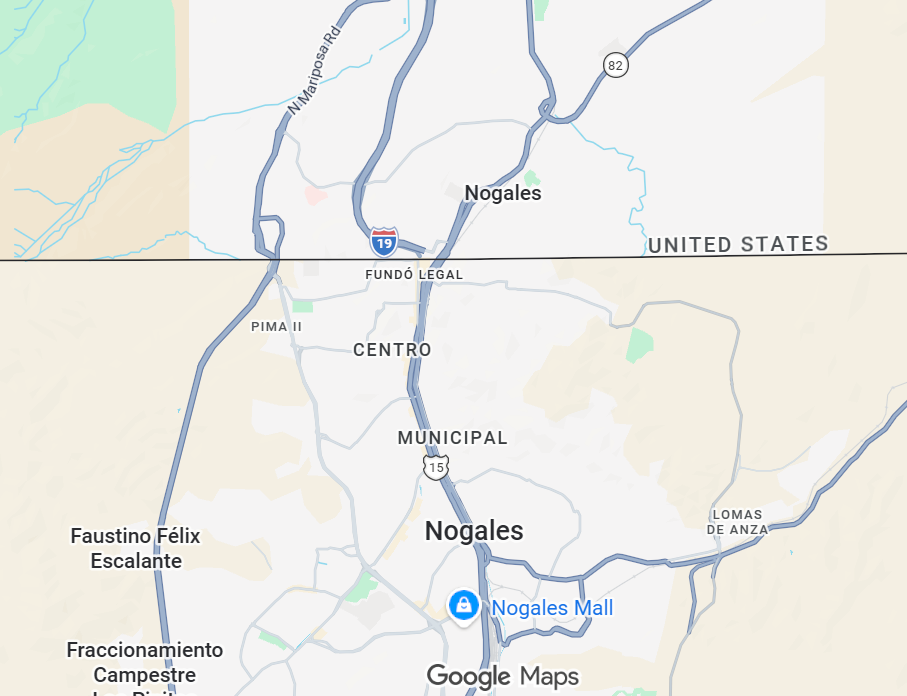
The two Nogales (Acemoglu & Robinson 2012)

Comparative Questions

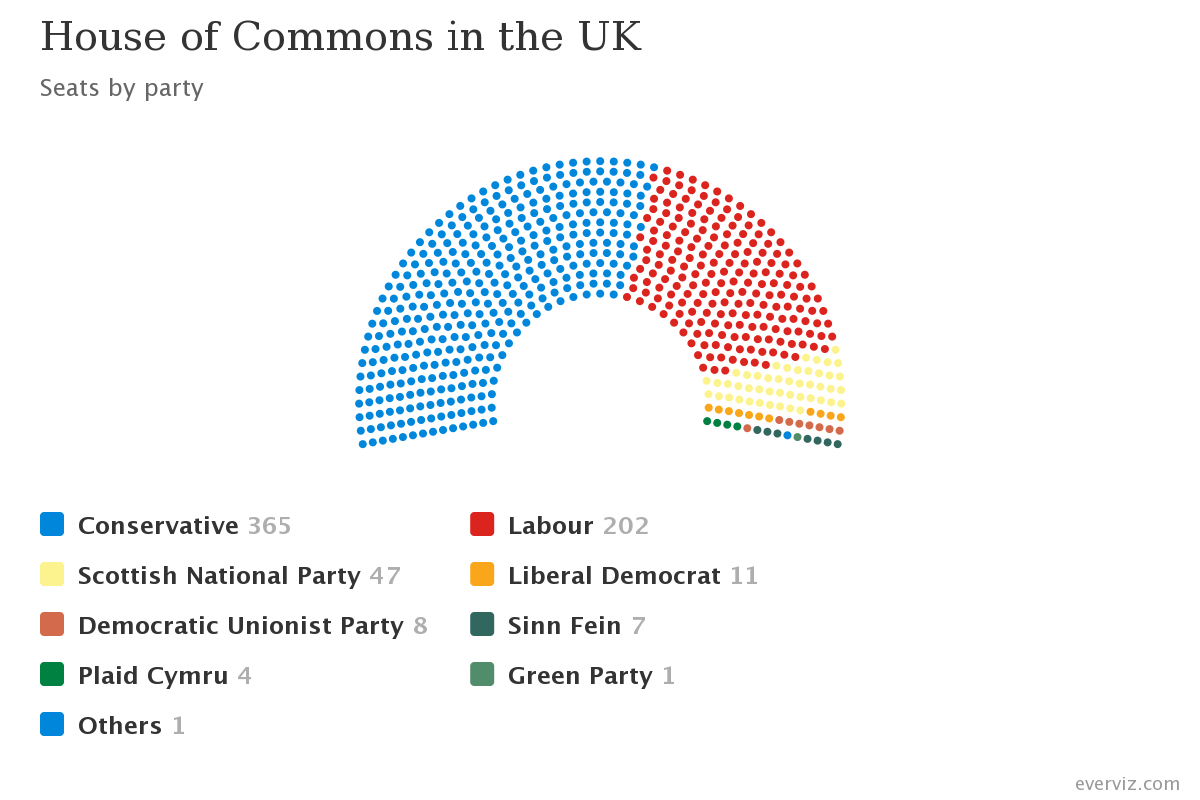
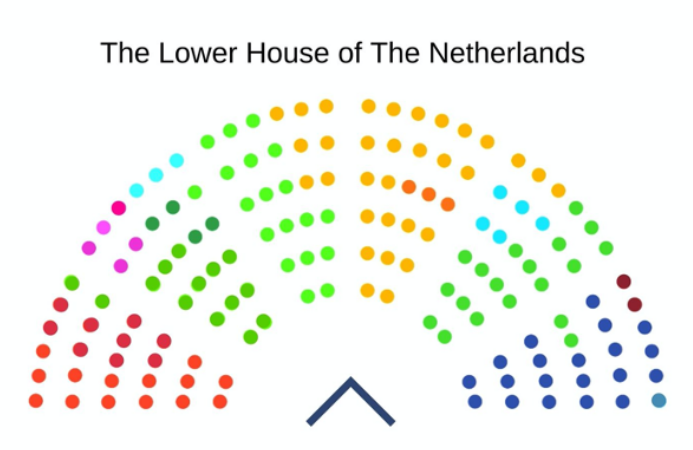
Q: Why do Parliaments have different numbers of parties?
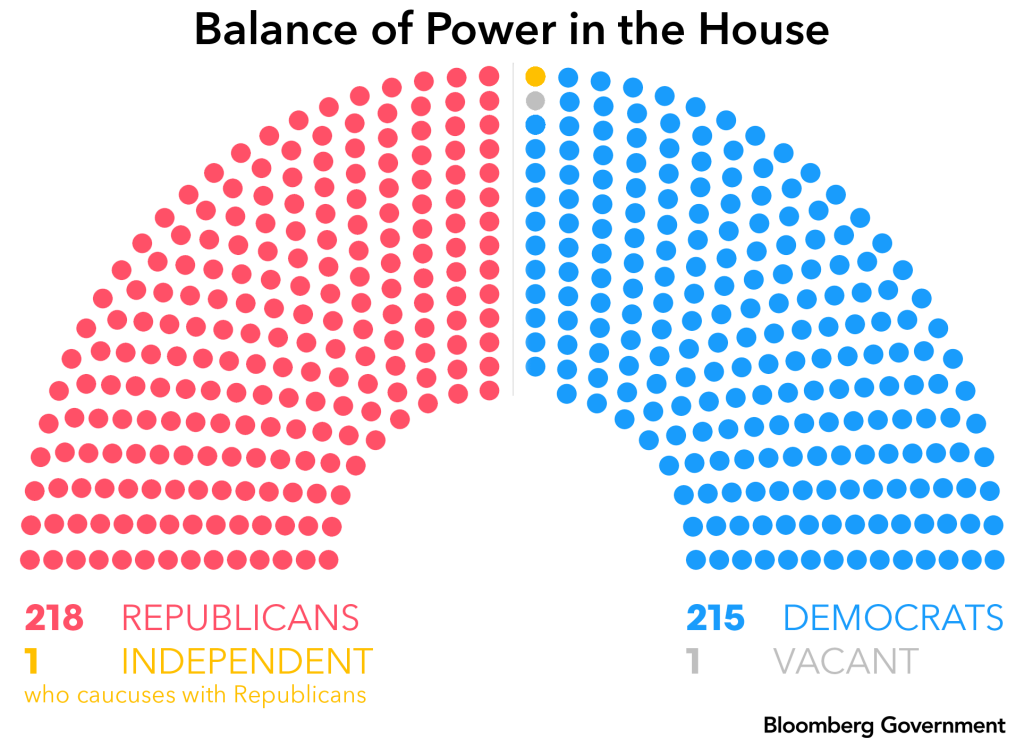
  • Effective Number of Parties (a measure of Parliament fragmentation): US, UK \(\approx\) 2; Netherlands \(\approx\) 8
  • Are voters or parties different? Or do the vote rules matter?

Comparative Questions

Q: Why do “similar” countries have different economic outcomes?

  • Similar population, ethnic diversity, geographic/religious differences
  • GDP rank: Indonesia = 17, Nigeria = 46; ACLED conflict index rank: Indonesia = 45, Nigeria = 5

Comparative Questions

Q: Does ethnicity matter in politics?
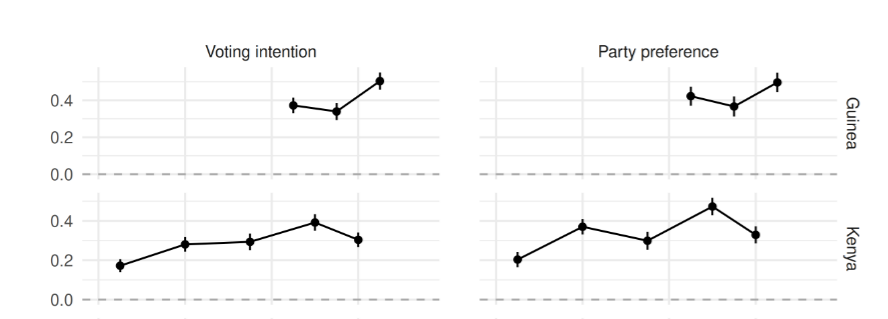
from Müller-Crepon and Bormann, APSR 2026

  • Kenya and Tanzania \(\rightarrow\) geographic neighbors, same national language
  • Kenya: prob. that two people vote the same party \(\uparrow\) 40pp if they are coethnics
  • Tanzania: almost same prob. between coethnics and non-coethnics
  • Why do we see ethnic cleavages in some countries and not others?

Our Plan for the Course

  • Methods: Causal Inference
  • The State
  • Democracy and Dictatorship: Economic Causes
  • Democratic Transitions
  • Varieties of Dictatorship
  • Parliamentary and Presidential Systems
  • Electoral Systems
  • Cleavages and Party Systems
  • Veto Players
  • Effects of Institutions

Questions?

Thank you!